Southern Utah homeowners facing a fire incident often wonder how basic cleanup differs from a complete rebuild of their property. Fire Damage Restoration in Southern Utah is about more than clearing ash and debris; it involves structural repairs, smoke deodorization, and ensuring long‐term safety. While fire cleanup removes visible soot and mitigates immediate hazards, full restoration returns a home or business to its pre‐loss condition—often better than before. Understanding this distinction helps property owners manage expectations, budgets, and timelines after a fire. In regions like St. George, Hurricane, and Cedar City, knowing when to escalate from cleanup to comprehensive reconstruction is key to protecting both health and investment.
What is the difference between fire cleanup and full restoration services?
Basic fire cleanup focuses on removing charred materials, loose soot, and surface ash after the flames are extinguished. Technicians will board up windows, remove debris, and vacuum smoke residue from carpets and walls to prevent further damage. Cleanup crews use HEPA vacuums, dry sponges, and eco‐friendly cleaning solutions to address minor fire damage swiftly. However, cleanup alone does not tackle structural weakness, hidden water damage from firefighting efforts, or lingering odors inside HVAC systems. For that level of care, a full restoration process is required.
Cleanup is typically completed within a few days for small incidents, such as a kitchen stovetop flare‐up, but it does not repair walls or replace damaged insulation. Full restoration begins with a detailed assessment of structural integrity, moisture content, and air quality. This process integrates board‐up, water extraction, soot cleaning, odor removal, reconstruction, and post‐project inspection. Total property restoration ensures that mold inhibition and building code compliance follow fire and water damage mitigation to safeguard occupants. In Southern Utah’s dry climate, timely intervention during each step prevents compounding issues like mildew growth or compromised electrical wiring.
What role does Fire Damage Restoration in Southern Utah play in full recovery?
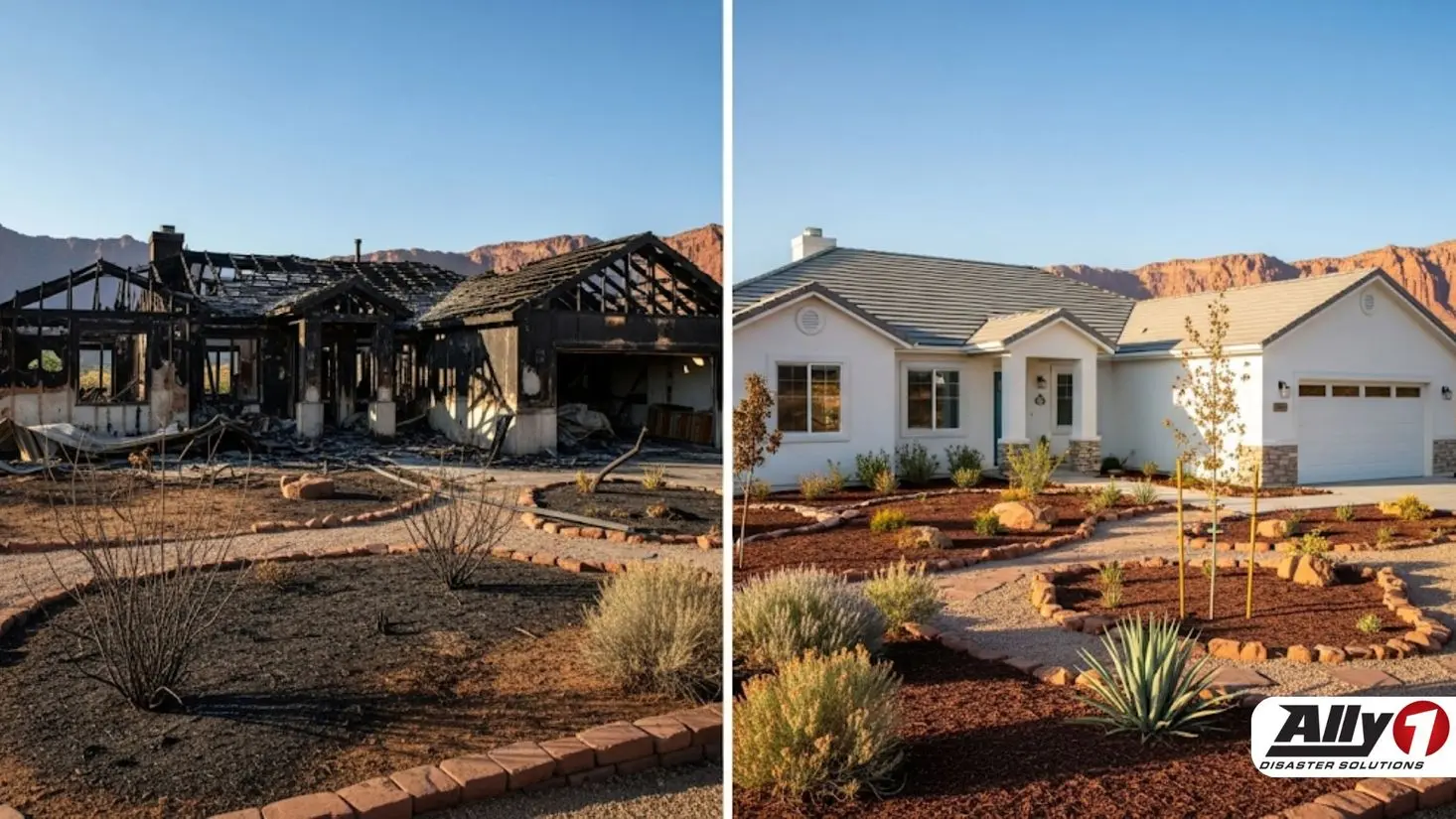
Fire Damage Restoration in Southern Utah ensures homeowners receive a coordinated, end‐to‐end solution that covers all phases of recovery. From emergency board‐up after a wildfire or house fire to final paint and flooring touches, certified technicians guide each step with precision. Licensed contractors collaborate with IICRC‐certified restorers to evaluate framing, roofing, and load‐bearing structures before commencing repairs. Local knowledge of county building regulations and seismic considerations helps guarantee that every restoration meets or exceeds code requirements. This region‐specific expertise reduces delays and ensures lasting results in the arid winter and scorching summer months.
In the immediate aftermath of a blaze, rapid action by reputable providers minimizes secondary damage such as water saturation in drywall or soot penetration into HVAC ducts. Air movers, dehumidifiers, and ozone generators are deployed to restore indoor air quality swiftly. Once critical surfaces and personal contents are secured, skilled craftsmen reconstruct damaged sections—often upgrading materials for enhanced durability. Homeowners benefit not only from structural recovery but also from peace of mind, knowing that potential hazards like weakened trusses or hidden smoke residues are fully addressed. This turnkey approach separates professional fire cleanup from comprehensive rebuild campaigns in Southern Utah’s unique environment.
How does professional fire cleanup address smoke and soot removal?
Fire cleanup crews begin by pinpointing zones where soot has adhered to surfaces, including ceilings, walls, and upholstery. Special dry sponges lift dry soot while specialized wet cleaning techniques dissolve acidic residues that corrode metal and concrete. Technicians target porous items like fabrics and carpets with industrial‐grade HEPA vacuums to capture ultra‐fine particulates. When smoke lingers, thermal fogging machines disperse odor‐neutralizing agents deep into fibers, eliminating pungent smells rather than masking them. These tools alongside ULV (ultra‐low volume) sprayers form the cornerstone of a thorough cleanup.
Crews also safeguard against mold growth by removing excess moisture left from firefighting hoses and sprinkler systems. Moisture meters guide technicians in deploying air scrubbers and dehumidifiers before mold spores can take hold. Most cleanup projects handle only surface repairs, focusing on visible damage and minor fire damage zones. Fire and water damage often coexist, and cleanup protocols emphasize swift water extraction to avert corrosion and microbial hazards. Although this phase restores basic safety, clients seeking full structural integrity and aesthetic restoration will require the next level of service.
What does full property restoration entail after fire damage?
Full restoration transforms a fire‐scarred property through a multi‐step rebuilding strategy that reaches beneath the surface. It begins with a comprehensive damage evaluation, mapping out compromised structural elements, electrical systems, and plumbing fixtures. Next, demolition crews remove irreparable components while preserving salvageable materials for reuse or recycling. Reconstruction follows, involving framing, drywall installation, painting, and finish carpentry by experienced professionals. Each stage undergoes quality checks to ensure compliance with local building codes and homeowner expectations.
A crucial benefit of total property restoration is long‐term resilience. Upgraded materials such as fire‐resistant drywall, energy‐efficient windows, and improved attic ventilation systems protect against future incidents. Licensed electricians and plumbers retrofit components to modern safety standards, minimizing risks from compromised wiring or corroded pipes. By integrating mold inhibition measures and moisture barriers, the process also wards off secondary issues often overlooked in simple cleanup. Through this holistic approach, homes emerge not merely repaired but truly renewed, ready for new memories to be made.
| Service Phase | Fire Cleanup | Full Restoration |
|---|---|---|
| Initial Assessment | Basic visual inspection | Structural evaluation, moisture mapping, code review |
| Smoke & Soot Removal | Surface cleaning, dry sponges | Thermal fogging, ozone treatments, deep particulate extraction |
| Structural Repairs | Minor board‐up, debris removal | Reconstruction of framing, roofing, interior finishes |
| Content Restoration | Limited on‐site cleaning | Professional pack‐out, off‐site cleaning, content rebuild |
| Final Safety Check | Basic hazard removal | Comprehensive safety inspection, mold and electrical tests |
Why choose a certified restoration company in Southern Utah?
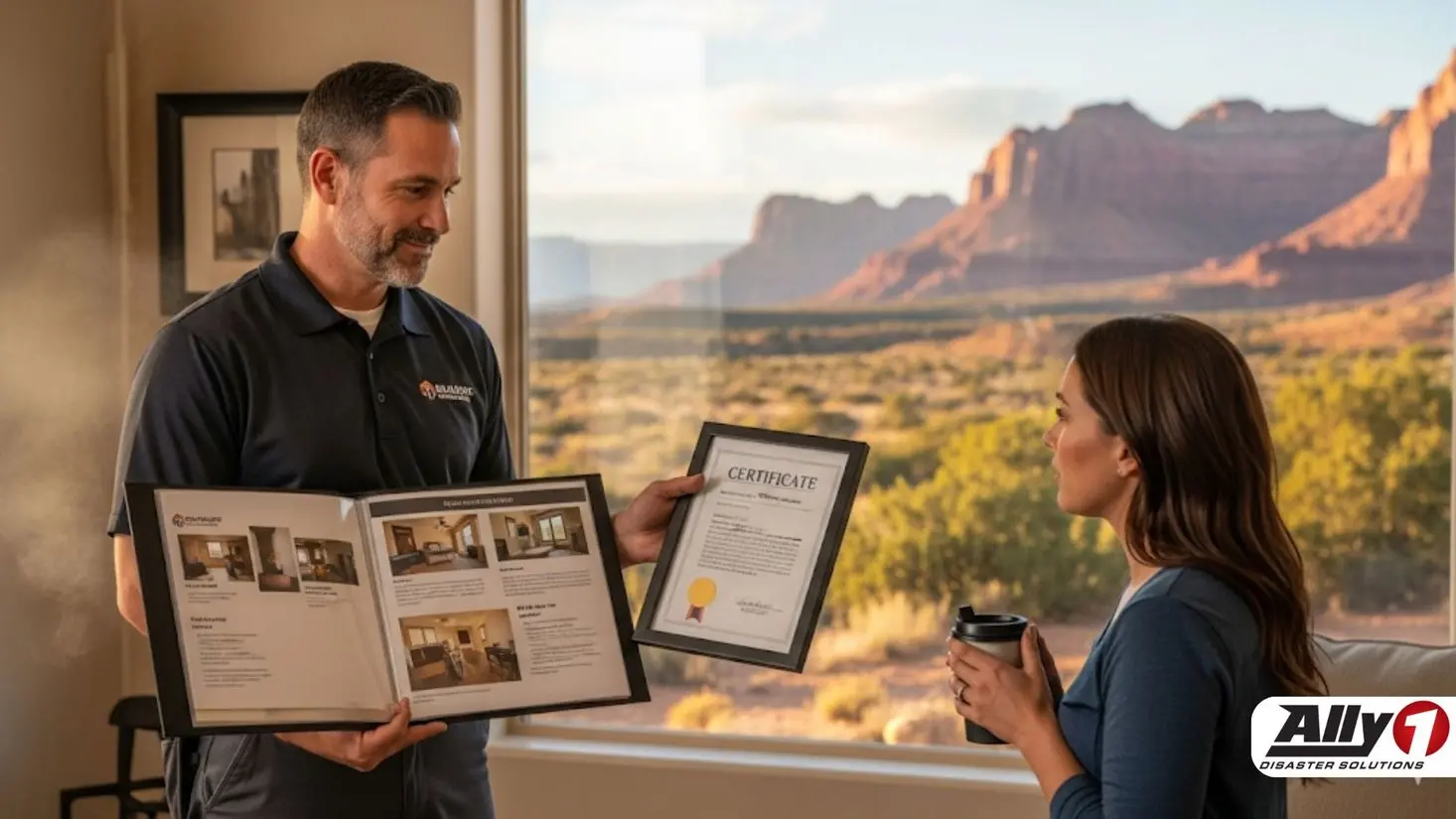
Certified restoration companies bring accredited expertise to every project, backed by IICRC credentials and insurance partnerships. They maintain licensed teams skilled in fire suppression aftermath, water damage mitigation, and mold prevention. Working with a certified provider ensures adherence to industry standards and access to advanced equipment like industrial air scrubbers, humidity control systems, and thermal imaging cameras. Their credentials also streamline insurance claim negotiations, as insurers recognize recognized certifications and documented protocols. In Southern Utah’s unique climate, these credentials translate into faster turnaround and superior quality.
When evaluating service providers, homeowners should consider response times, contractor licensing, and local testimonials. A reputable firm offers transparent pricing, scope definitions, and a detailed project timeline. They deliver a single point of contact—project managers who coordinate subcontractors, inspectors, and adjusters. This avoids gaps in communication and ensures accountability at every stage. Engaging a certified team also safeguards against shortcuts that can lead to structural weaknesses or lingering odors, ultimately delivering a renovation that lasts.
Selecting the right partner requires careful vetting. Many local restoration firms advertise similar services, but few match the combined track record of expertise and community trust. For those unsure how to proceed, a resource like Choosing Fire Damage Restoration Company can guide the decision‐making process. It outlines key evaluation criteria, from verifying insurance coverage to assessing post‐job warranties. Armed with this knowledge, property owners can feel confident that their chosen team will deliver on promises, protecting both their home and their well‐being.
How much does fire damage restoration cost in Southern Utah?
Restoration costs vary widely based on factors such as fire intensity, square footage affected, and the complexity of structural repairs. Minor fire damage—like a contained kitchen blaze—may cost a few thousand dollars for surface cleanup and cosmetic touch‐ups. In contrast, large‐scale incidents requiring full demolition and rebuild can range from tens to hundreds of thousands. Additional water damage from firefighting efforts often adds labor and drying equipment fees, further impacting budgets. Location within Southern Utah also influences costs, as remote properties may incur travel and logistical surcharges.
Insurance coverage plays a pivotal role in out‐of‐pocket expenses. Certified restoration companies assist policyholders with detailed documentation, direct billing options, and expedited claims processing. They coordinate with adjusters to validate scope estimates, reducing the risk of underpayment. Clients should inquire about financing alternatives for non‐covered upgrades, such as energy‐efficient materials or advanced odor removal systems. Transparent cost breakdowns help homeowners understand each line item, from waste disposal fees to permit charges, ensuring there are no unwelcome surprises at project’s end.
How long does the restoration process take?
Typical fire cleanup can be completed in as little as 48 to 72 hours for small incidents, focusing on debris removal, soot cleaning, and initial odor control. Full restoration timelines depend on project scope—remodeling two rooms may take two to three weeks, while a whole‐house rebuild can span two to three months. Weather patterns in Southern Utah, particularly during monsoon season, can affect drying times for structural materials and delay exterior repairs. A detailed project schedule provided by a certified contractor outlines milestones from demolition to final inspection, helping homeowners plan relocations or temporary lodging.
Seasonal climate variations also influence timeline estimates. In winter, rapid temperature shifts may require additional heating equipment to maintain ideal drying conditions inside fire‐damaged structures. Conversely, summer heat demands balanced dehumidification to prevent warping of wooden framing. Restoration firms often adjust crew sizes and equipment deployment to meet these challenges, ensuring consistent progress. Homeowners should maintain open communication with their project manager, addressing any unexpected hurdles promptly to keep the reconstruction on track.
When immediate support is necessary after a fire, property owners can Contact us to schedule a 24/7 emergency assessment. Our rapid‐response teams mobilize within hours, securing the site and initiating damage mitigation. From board‐up to water extraction, swift intervention reduces risks of further deterioration. Early engagement also accelerates insurance processes, paving the way for a smoother restoration journey that respects both safety and timing.
Signs of hidden smoke and soot damage and when to act
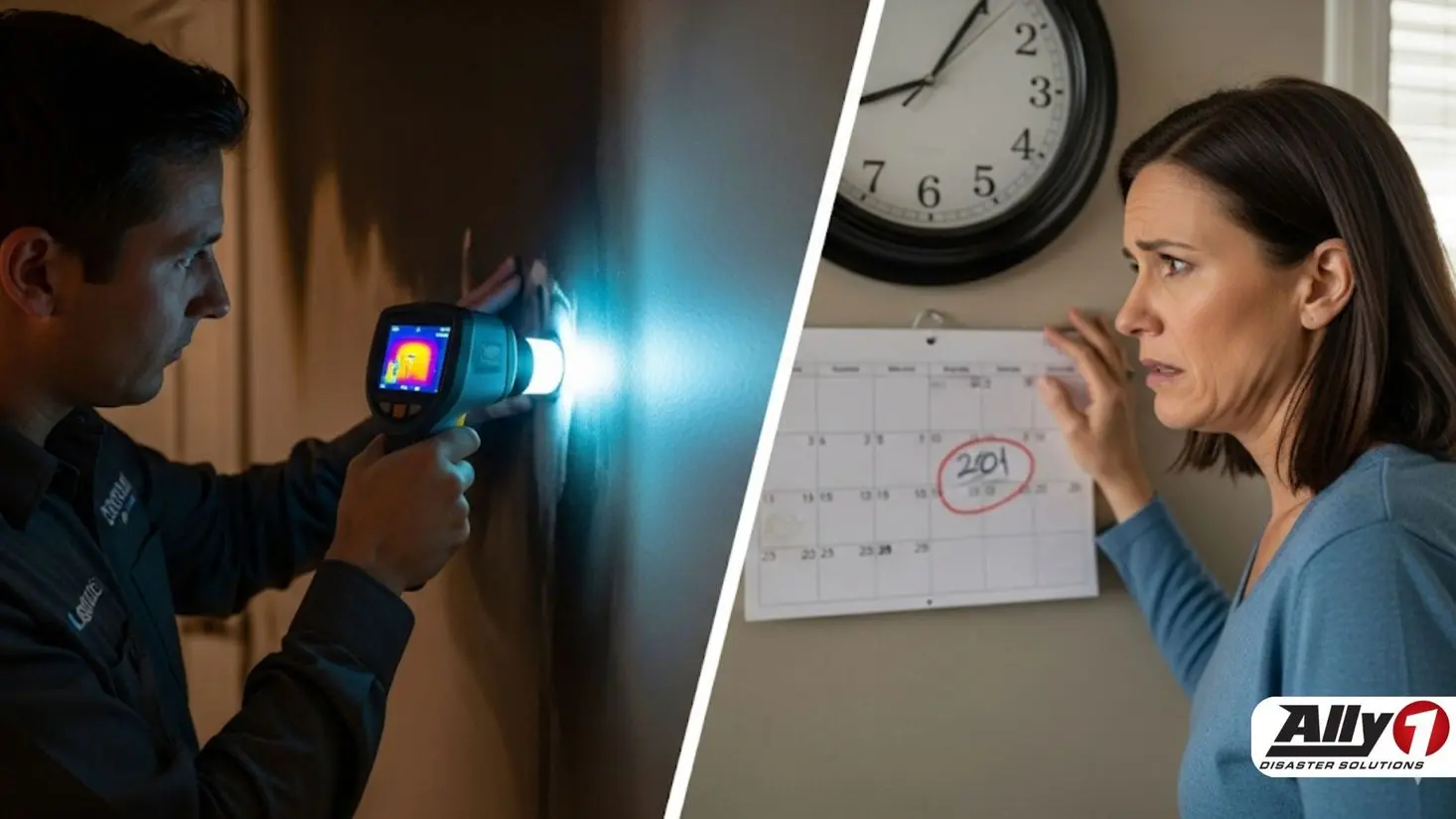
Lingering odors, faded paint, or discoloration near ceilings may signal deep‐seated smoke residue that basic cleanup misses. Smoke particles often penetrate porous materials like drywall, insulation, and carpet fibers, where they continue to corrode surfaces long after flames are out. Air systems can distribute invisible soot throughout ductwork, compromising indoor air quality and posing health risks to occupants. Early recognition of these issues is critical to prevent secondary damage such as mold growth or metal corrosion. A professional evaluation uncovers these hidden threats, guiding targeted interventions.
For those unsure whether their property harbors concealed soot, resources like Signs of Hidden Smoke & Soot Damage offer checklists and visual examples. Homeowners should watch for black streaks around light fixtures, musty odors upon entering rooms, or staining behind baseboards. Ignoring these clues allows acidic soot to deteriorate structural elements and personal belongings over time. Prompt action ensures that each layer of smoke damage is addressed, protecting both health and the longevity of renovated spaces.
5 Frequently Asked Questions
What is the primary difference between fire cleanup and full restoration services?
Fire cleanup typically addresses immediate hazards—debris removal, surface soot cleaning, and basic odor control. Full restoration, by contrast, includes structural repairs, material replacement, content rehabilitation, and mold prevention. Cleanup crews focus on visible damage, while restoration teams manage code‐compliant rebuilding and long‐term resilience. Both services are essential, but restoration delivers comprehensive recovery beyond initial mitigation.
When should a homeowner in Southern Utah contact fire restoration experts?
It is best to call specialists immediately after flames are extinguished, especially if smoke or water damage is evident. Early intervention helps reduce permanent harm to walls, ceilings, and personal items. Professionals assess structural safety, secure the site, and begin moisture extraction to avoid mold growth. Prompt service also accelerates insurance claim filings, streamlining the path back to normalcy.
Does fire damage restoration cover water damage from firefighting efforts?
Yes, reputable restoration services bundle fire and water damage mitigation into one seamless project. Technicians remove standing water, dry affected areas with air movers and dehumidifiers, and inspect for mold. Combining these efforts prevents separate contractors from overlapping or missing critical steps. Integrated workflows save time and ensure that both fire and water effects are fully remediated.
Can minor fire damage be cleaned without professional restoration?
Simple incidents like a small stovetop flare may be managed with DIY cleaning for superficial soot. However, hidden smoke residues, structural char, and odor penetration usually require professional equipment and expertise. Without industry‐grade tools like thermal foggers and HEPA air scrubbers, lingering odors and unseen damage can persist. Certified technicians guarantee thorough remediation, avoiding costly oversights.
How does insurance factor into choosing between cleanup and full restoration?
Most homeowners’ policies cover both cleanup and reconstruction, but reimbursement levels can vary. Insurers often require documentation of damage scope, including pre‐ and post‐service photos, itemized estimates, and proof of licensed contractors. Restoration firms experienced in insurance protocols facilitate direct billing and adjuster communications. Clear cost breakdowns help policyholders select the appropriate level of service without jeopardizing coverage.
Conclusion
Understanding the clear distinction between basic fire cleanup and comprehensive Fire Damage Restoration in Southern Utah empowers property owners to make informed decisions at stressful times. Cleanup services provide rapid debris removal and soot cleaning to restore safety, while full restoration rebuilds structural integrity, eliminates hidden hazards, and revitalizes living spaces. For residents and businesses in Southern Utah seeking reliable, certified support, Ally 1 Disaster Solutions offers complete fire and water damage solutions tailored to the region’s unique environment. To begin the journey toward a fully restored property and lasting peace of mind, property owners are encouraged to Contact us today.