When the skies darken and the winds roar across the Wasatch Front, homeowners in Utah face sudden and severe risks. Storm-driven gusts, microbursts, and powerful downbursts can significantly damage roofs, siding, windows, and entire property structures. If you’re recovering from a storm, knowing how to choose the right partner for Utah wind damage restoration is essential. This guide will give you everything you should know before hiring a contractor so you can protect your home, avoid costly mistakes, and restore your peace of mind quickly and safely.
Why should I hire a specialist for Utah wind damage restoration?
Professional support makes a major difference after a windstorm. Unlike general contractors, wind damage experts understand Utah’s climate patterns, including microbursts, gust fronts, and canyon winds that cause unique damage patterns. A Utah wind damage repair contractor knows exactly where to look for hidden issues such as roof lifting, loosened flashing, window seal failures, water intrusion, and early-stage mold that may develop without immediate attention. Specialists also understand Utah building codes, documentation requirements, and insurance processes. By hiring an expert, you avoid missing underlying structural or moisture-related problems that could cost thousands later. Additionally, local professionals know how quickly storms escalate in Utah and can provide faster emergency response when compared to out-of-state companies.
What types of damage does wind cause in Utah homes?
Windstorms in Utah can cause both visible and hidden damage, making a thorough assessment essential. Many homeowners only notice missing shingles or fallen branches, but wind events often affect multiple parts of the home at once.
Roofing and exterior envelope damage
High winds can rip off shingles, lift ridge caps, bend metal flashing, or dislodge vents. Once roofing is compromised, even slightly, water intrusion begins quickly. Moisture entering through small openings can soak insulation, damage attic structures, and lead to mold colonies within 48 hours.
Exterior siding, windows, and doors
Flying debris and pressure changes during storms often damage siding panels, crack windows, and weaken door seals. Utah’s windstorms frequently drive debris at high velocities, leaving seams, frames, and weather-barriers vulnerable. Even if windows don’t break, seals may loosen, causing air leaks and moisture issues.
Tree and debris impact
Utah neighborhoods with mature trees often suffer fallen limbs or entire trunks collapsing onto roofs or fences. These impact forces can cause unseen structural damage, such as cracked rafters, compromised beams, or bowed roofing panels. Debris may also clog gutters, leading to overflowing water and foundation stress.
Hidden water intrusion and mold
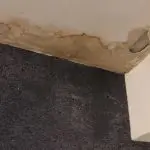
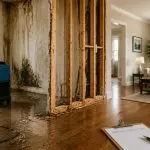
Many homeowners assume wind only causes exterior damage, but wind-driven rain can be even more destructive. Rain pushed horizontally under loosened shingles or siding can infiltrate walls, ceilings, and attic cavities. Without immediate drying, this creates mold growth, wood rot, and insulation deterioration.
How to choose the right company for windstorm home restoration Utah?
Hiring the right contractor determines the success and longevity of your home’s restoration. The market becomes crowded after a major storm, and not all contractors are qualified. Use the following criteria when selecting your provider.
Local experience and certification
Choose a contractor with proven history working in Utah. Wind damage varies by region, and companies familiar with local storm behavior can detect issues faster. Certifications, such as IICRC, indicate proper training in water mitigation, structural drying, and restoration protocols.
Emergency response and protection services
An experienced contractor should offer emergency tarping, board-up services, and debris removal within hours. Quick action prevents further damage, especially if storms continue. Without immediate stabilization, even small openings can lead to thousands in secondary repairs.
Comprehensive restoration services
The best companies handle the entire process: inspection, mitigation, cleanup, structural reconstruction, roofing, siding, window replacement, painting, and final inspection. Full-service contractors reduce delays, miscommunication, and costly subcontractor mistakes.
Insurance documentation and claim guidance
Insurance claims for wind damage can be stressful. A qualified Utah restoration company will help you document damage, photograph every area, communicate with adjusters, and ensure your claim accurately reflects necessary repairs. Poor documentation often results in denied or underpaid claims.
Solid reputation and verifiable credentials
Check Google reviews, BBB ratings, licensing records, and customer testimonials. Avoid contractors who show up only after storms, offer unclear prices, or cannot provide insurance information. Long-established companies tend to be more reliable and accountable.
What should you expect during the restoration process?
Understanding the restoration process ensures transparency and helps you follow progress efficiently.
Step 1: Inspection and damage assessment
The contractor evaluates your entire property, including roofing, gutters, windows, siding, attic, yard debris, and potential moisture intrusion. They use moisture meters, infrared cameras, and manual inspection to detect visible and hidden damage. A detailed restoration plan is then created.
Step 2: Emergency stabilization
This includes tarping the roof, boarding windows, removing fallen branches, and sealing vulnerabilities. Stabilization prevents further weather exposure, water intrusion, pest entry, or theft. This step is crucial for protecting your property before major repairs begin.
Step 3: Mitigation and hazard removal
Water mitigation, mold prevention, structural drying, and debris cleanup take place. This step eliminates safety risks and removes damaged materials. Without proper mitigation, restoration will not hold up long-term.
Step 4: Repair and restoration
Repairs begin based on the approved restoration plan. This may include roofing repairs or replacement, siding installation, window and door replacement, structural reinforcement, drywall repair, painting, insulation replacement, and home interior finishing.
Step 5: Final inspection and walkthrough
When work is complete, the contractor walks you through all repairs, provides documentation, and explains warranty or maintenance instructions. A good contractor will address questions and ensure everything meets standards before closing the project.
The cost-factors: what affects your bill for wind damage restoration?
Windstorm home restoration Utah can vary in price depending on several key factors. Here is a simplified breakdown:
| Factor | Impact on Cost |
| Severity of damage | More extensive repairs increase cost |
| Roof pitch & height | Steep or high roofs require more labor |
| Siding or window type | Premium materials cost more |
| Hidden moisture or mold | Adds mitigation and repair steps |
| Structural damage | Beam or framing repairs increase cost |
| Emergency response needs | Tarping & board-ups add to total |
| Insurance complexity | More documentation may affect pricing |
Pitfalls to avoid when hiring a wind damage restoration contractor
Many homeowners make the mistake of rushing into agreements after a storm. Avoid these costly errors:
- Hiring contractors with the lowest bid but no credentials.
- Working with unlicensed or uninsured providers.
- Signing contracts before your home is inspected.
- Ignoring insurance documentation procedures.
- Waiting too long to begin mitigation.
- Hiring general handymen instead of wind damage specialists.
These pitfalls can lead to poor-quality repairs, denied insurance claims, and long-term structural issues.
Preparing your home now to minimize future wind damage risk
Mitigation is not only about repairing damage, it’s also about preventing it. Utah weather makes proactive home care essential.
- Inspect your roof yearly for missing shingles or weak flashing.
- Clean gutters and keep drainage pathways clear.
- Trim tree limbs near your home.
- Secure outdoor items that can become airborne.
- Reinforce garage doors and large openings.
- Seal windows and siding to prevent wind-driven rain entry.
- Keep an emergency kit ready in storm seasons.
Preventative maintenance can reduce repair costs dramatically.
FAQs (Frequently Asked Questions)
Q1: How fast should I call a restoration company after wind damage?
Call immediately. The sooner a contractor inspects and stabilizes your home, the less secondary damage you’ll face.
Q2: Does insurance cover wind damage in Utah?
Most policies cover wind-related damage, but every plan differs. Proper documentation from your contractor ensures smoother claims.
Q3: Should I wait until storm season ends to repair damage?
No. Waiting increases risks such as water intrusion, mold, and structural deterioration.
Q4: How long does the wind damage restoration process take?
Minor repairs may take days, while full reconstruction may take weeks. Timeline depends on severity and scope.
Q5: What should I ask a wind damage restoration company before hiring them?
Ask about licensing, certifications, past experience, emergency response time, insurance handling process, and warranties.
Conclusion
If you’re navigating the aftermath of a storm and need reliable help with Utah wind damage restoration, choosing the right contractor is essential. From thorough inspections to emergency stabilization, accurate documentation, and comprehensive repairs, an expert ensures long-term safety and quality for your home. At Ally 1 Disaster Solutions, we specialize in delivering high-quality wind damage repair services for Utah homeowners. Our team provides trusted support, local expertise, and full-service restoration to help you move forward with confidence. When your home needs dependable care after a storm, Ally 1 Disaster Solutions is here to restore and protect what matters most.