When powerful winds sweep across Utah and the storm finally passes, the uncertainty begins. Homeowners often wonder if their property is safe or if the damage runs deeper than what they can see. Understanding how to evaluate your home after a storm is essential, especially when considering Utah wind damage restoration. Assessing both roof and siding damage helps you prevent long-term issues, protect your investment, and ensure your insurance claim is supported with proper documentation.
What should I look for when assessing wind damage?
Knowing where to begin your inspection helps you identify early warning signs that something is wrong. The initial visual check gives you a quick idea of whether the storm caused minor surface damage or something more extensive. Any findings here will guide your next steps in the Utah wind damage restoration process.
Start by scanning your roof, siding, and surrounding areas for signs like missing shingles, displaced debris, or dented exterior fixtures. Utah’s strong gusts and microbursts create unique damage patterns that often start small but quickly escalate if overlooked.
Ground-level exterior inspection
Walk around your home and inspect the roof from the ground. Look for cracked or missing shingles, visible lifting along the roof edges, bent flashing, or granule buildup in gutters. On the siding, check for cracks, bowing, or panels that appear detached. Wind-blown debris hitting your home can cause dents and structural disturbances.
In one section of your assessment, review nearby areas that might have contributed to the damage. For example, loose fencing, fallen branches, or damaged exterior décor can create additional risks.
Attic and interior inspection
After your exterior check, evaluate the interior spaces beneath your roof. Look in the attic for water stains, damp insulation, sagging roof boards, or rays of daylight showing through the roof deck. These early indicators often mean wind has lifted shingles or flashing, creating gaps that allow moisture to enter.
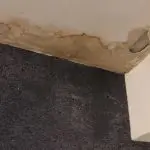
Examine upper-floor ceilings for discoloration or peeling paint. Moisture intrusion caused by roof damage tends to show up in these areas first and can lead to mold growth if left untreated.
Inspecting siding, windows, doors, and home envelope
Windstorms rarely affect only one area of your home. Utah wind patterns make siding and windows highly vulnerable. Look for chipped paint, punctures, or siding that has been physically pulled from the structure. Windows and doors should be checked for cracked frames, warping, or broken seals.
Inspect fascia, soffits, and gutters for signs of detachment. These components are essential for proper drainage and stability, and even minor wind damage can weaken them.
Why does timely inspection matter for Utah homeowners?
Conducting an inspection immediately after a storm helps you catch issues early and prevents the risk of water infiltration, mold, or structural deterioration. Utah storms are unpredictable, and even minor roof or siding damage can worsen quickly if left unresolved.
Timely inspection also supports insurance claims. Most policies require prompt action to prevent further damage. Without quick documentation, you may face delays or limited coverage. Many homeowners have found that engaging restoration professionals sooner results in more accurate reports and better claim outcomes.
How can you complete a thorough wind damage assessment?
A systematic approach ensures you evaluate your home thoroughly and don’t overlook critical areas. Following a consistent sequence helps reduce the risk of missing hidden damage.
Step 1: Ensure safety before starting
Never climb onto a wet, damaged, or unstable roof. Confirm that the area is free from electrical hazards or sharp debris. If damage looks severe or unsafe, call a professional to inspect on your behalf.
Step 2: Document everything
Use your phone or camera to photograph roof angles, siding issues, attic moisture, debris, and any affected areas. Videos are helpful when showing the path of damage.
Save storm-related information including wind speeds and dates. This will help when speaking with insurance adjusters or contractors. For further assistance in managing home-related tasks, you may explore our contact us page.
Step 3: Exterior inspection
Focus your attention on visible roof damage, missing shingles, loose flashing, or gutter issues. Note any dented metal components or damaged vents. On the siding, check each panel for misalignment or cracks.
Debris on your roof or around your foundation often signals impact points that require closer inspection.
Step 4: Interior and attic check
Inside the attic, check for wetness, mold smell, or discolored wood. Shine a flashlight across beams to identify warping or sagging.
Sometimes, leaks only appear after snowmelt or heavy rain, so recheck interior spaces periodically in the days following the storm.
Step 5: Evaluate the severity of the damage
Categorize the damage to determine next steps:
- Minor: a few missing shingles or small siding dents
- Moderate: multiple missing shingles, lifted flashing, cracked siding, or small leaks
- Severe: visible structural issues, significant interior water damage, or compromised framing
Moderate to severe damage calls for professional Utah wind damage restoration services.
What does a professional wind damage inspection include?
A professional contractor has tools and experience that go beyond a homeowner’s visual observations. Here’s what they typically look for:
- Structural integrity and hidden roof deck damage
- Moisture and mold detection using thermal imaging
- Siding attachment failures or weakened fasteners
- Broken or compromised seals around windows and doors
- Roof penetration damage (vents, chimneys, skylights)
Professionals also prepare a full damage report and may interact with your insurance provider to ensure precise documentation.
Common wind damage signs homeowners often miss
Some issues go unnoticed until they cause larger problems:
- Shingles that appear fine but are partially lifted
- Nail holes exposed from wind lifting roofing materials
- Slight siding bulges signaling detachment
- Subtle attic moisture that indicates early leaks
- Gutters clogged with granules, weakening drainage
Spotting these issues early helps prevent thousands of dollars in future repairs.
How does wind damage affect insurance claims?
Insurance coverage often depends on how quickly you identify and report damage. Thorough documentation, photo evidence, and timely communication with your insurer make a significant difference.
Keep receipts for any emergency tarping or board-up services. Insurance adjusters often require proof of preventive steps you’ve taken to stop further damage. Hiring a contractor with insurance claim experience can simplify this process.
Avoiding common homeowner mistakes after a Utah windstorm
Many homeowners unintentionally cause further issues by:
- Ignoring small damage thinking it’s superficial
- Delaying inspection and drying
- Hiring unlicensed contractors
- Performing DIY repairs that void warranties
- Not documenting damage before cleanup
Staying proactive helps you maintain safety, reduce costs, and ensure structural longevity.
Preparing your home for future windstorms
After restoration, consider reinforcing your home for better storm resistance:
- Schedule annual roof inspections
- Clear gutters and trim nearby trees
- Upgrade to impact-resistant shingles
- Reinforce large doors such as garage doors
- Secure outdoor furniture and lightweight items
These steps help minimize damage and reinforce your home’s resilience during Utah’s sudden wind events.
FAQs
Q1: How soon should I inspect my home after a windstorm?
Immediately. Early inspection is essential for effective Utah wind damage restoration and prevents further issues.
Q2: What are signs of hidden wind damage?
Damp insulation, attic musty odors, lifted shingles, siding bulges, or daylight through roof decking.
Q3: Is siding damage from wind covered by insurance?
Often yes. Coverage depends on your policy and the extent of the storm damage.
Q4: Can I repair the wind damage myself?
Minor repairs may be manageable, but anything involving leaks or structural concerns should be handled by professionals.
Q5: What questions should I ask a contractor?
Ask about their certifications, Utah windstorm experience, emergency response, and insurance claim assistance.
Conclusion
Assessing wind damage properly helps protect your home and ensures your repair decisions are accurate and cost-effective. From roof inspections to siding evaluations and attic checks, each step helps guide a successful Utah wind damage restoration process. At Ally 1 Disaster Solutions, we specialize in identifying hidden issues, providing precise documentation, and delivering long-lasting repairs tailored to Utah’s unique climate. When your home needs trusted care after a storm, Ally 1 Disaster Solutions is ready to restore your peace of mind.