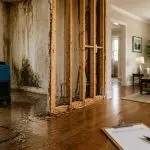
Discovering water intrusion in your property is a stressful event that requires immediate identification of the source to prevent long-term structural failure. The most common causes of water damage in Beaver homes include frozen pipe bursts during harsh winter months, flash flooding from Tushar Mountain snowmelt, and aging appliance failures. Because of our high-altitude climate and unique geographic location, these issues can escalate quickly if not addressed by professional water damage restoration in Beaver. Taking swift action helps mitigate the risk of mold growth and ensures the safety of your home’s foundation and indoor air quality.
What causes the most water damage in a house?
Plumbing failures and severe weather events are the leading causes of residential water damage, accounting for the vast majority of insurance claims in Southern Utah. Specifically, burst pipe water damage UT residents experience often occurs in crawl spaces or exterior walls during the extreme temperature drops typical of the Beaver region. When pipes freeze and expand, they eventually rupture, releasing hundreds of gallons of water into the home’s structure in a matter of hours.
If you suspect a hidden leak behind your drywall or under your flooring, you should contact-us to arrange for a professional thermal imaging inspection that can pinpoint moisture without damaging your property.
- Freezing Temperatures: Sustained sub-zero nights lead to ice expansion in copper and PEX lines.
- Rapid Snowmelt: Heavy spring runoff from the nearby mountains can overwhelm local drainage systems.
- Corroded Supply Lines: Older homes in the historic district may have aging galvanized or thin copper piping.
- High Water Pressure: Excessive pressure from municipal lines can stress joints and valves over time.
How does storm flooding Beaver UT affect local properties?
Storm flooding Beaver UT residents face is often intensified by our local topography and the rapid accumulation of rainwater in dry washes. During the monsoon season or heavy spring storms, the soil can become saturated quickly, leading to hydrostatic pressure that forces groundwater through foundation cracks and into basements. This type of water is often considered “Category 3” or black water because it carries silt, pesticides, and bacteria from the outdoor environment, requiring a much more rigorous sanitation process.
Neighborhoods located near the Beaver River or in low-lying areas of the valley are particularly susceptible to this type of intrusion. When external water enters a home, it is vital to begin the extraction process immediately to prevent the wood framing from absorbing contaminants.
If your basement has been compromised by rising groundwater, you should contact-us so that industrial-grade pumps and antimicrobial treatments can be deployed to stabilize your living environment.
Why are appliance leaks a major concern for homeowners?
While a massive flood is obvious, an appliance leak restoration project often begins with a slow, silent drip that goes unnoticed for weeks. Dishwashers, washing machines, and water heaters are the primary culprits, often failing at the supply hose or the internal seals. In the high-altitude environment of Beaver, the mineral content in the water can sometimes accelerate the corrosion of heating elements and valves, leading to premature failure of these essential household machines.
Water Heater Failures
Most water heaters have a lifespan of 10 to 15 years. When the internal tank corrodes, it can release the entire 40 to 80 gallons of water at once, flooding utility closets and adjacent hallways.
Washing Machine Hoses
Standard rubber hoses are prone to cracking and bulging under pressure. Professionals recommend upgrading to stainless steel braided hoses to prevent sudden bursts that can ruin laundry rooms and subfloors.
Dishwasher Overflows
A clogged drain or a faulty float switch can cause a dishwasher to dump soapy water across your kitchen floor. This moisture often seeps under cabinetry, where it is difficult to dry without specialized equipment.
What should you do if you experience a burst pipe?
If you encounter a burst pipe, the first action must be to shut off the main water valve to stop the flow of liquid into the home. Once the water is stopped, you must address the standing water immediately to prevent it from wicking up your drywall and saturating your insulation. In our local climate, damp materials will not dry on their own due to the lack of airflow in wall cavities, making professional intervention a necessity.
Because the first 24 hours are the most critical for preventing permanent structural warping, you should contact-us to initiate an emergency drying protocol using high-velocity air movers.
| Cause of Damage | Primary Risk Factor | Common Location |
| Frozen Pipes | Winter temperature drops | Crawl spaces, attics, exterior walls |
| Flash Floods | Rapid snowmelt/monsoons | Basements, lower levels |
| Sewer Backup | Clogged main lines | Bathrooms, floor drains |
| Roof Leaks | Heavy snow load/ice dams | Ceilings, attic insulation |
| HVAC Leaks | Clogged condensate lines | Utility closets, second-floor ceilings |
How does the local environment contribute to roof leaks?
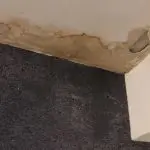
The heavy snow loads common in Beaver County can lead to the formation of ice dams along the eaves of your roof. As snow melts on the upper portions of the roof and refreezes at the colder edges, it creates a dam that forces liquid water under the shingles. This water then enters the attic, saturating insulation and eventually causing ceiling stains and structural rot in the rafters.
Regularly clearing your gutters of debris from the surrounding pine and aspen trees is essential to allow for proper drainage. If you notice sagging ceilings or peeling paint near your roofline, it is likely that moisture has already penetrated the building envelope.
Frequently Asked Questions
What is the most common cause of water damage?
Statistically, plumbing issues such as leaking pipes and appliance malfunctions are the most frequent causes of residential water damage. These “internal” failures happen year-round, unlike weather-related events which are seasonal.
Can a small leak cause mold in Beaver homes?
Yes, mold can begin to grow within 24 to 48 hours of any water intrusion. Because Beaver homes are often tightly sealed for winter warmth, trapped moisture creates the perfect humid environment for mold spores to activate.
How do I know if my water damage is covered by insurance?
Most policies cover damage that is “sudden and accidental,” like a burst pipe or a water heater failing. They typically do not cover “gradual” damage caused by lack of maintenance or rising groundwater from external flooding unless you have a specific flood rider.
What are the signs of a hidden water leak?
Common signs include an unexplained increase in your monthly water bill, musty odors in specific rooms, discolored patches on walls or ceilings, and the sound of running water when all faucets are turned off.
Is groundwater more dangerous than tap water?
Groundwater is classified as Category 3 water because it contains unknown contaminants from the soil and street. It requires a much higher level of sanitization and the removal of porous materials compared to “clean” tap water from a broken pipe.
Conclusion
Understanding the diverse threats to your property from the frozen peaks of the Tushar Mountains to the aging plumbing in our historic business districts is the first step in effective home maintenance. Whether you are dealing with a burst pipe or the aftermath of a summer storm, the speed of your response determines the total cost of recovery. Professional water damage restoration in Beaver provides the technical expertise and specialized equipment necessary to return your home to a safe, dry, and healthy state.
At Ally 1 DS, we are committed to being the premier local solution to the problems discussed in this guide. As a trusted local service provider with deep roots in Beaver County, we understand the specific challenges of high-altitude restoration and insurance navigation. Our team is dedicated to providing a comprehensive response to every emergency, ensuring that your home is restored with the care and precision it deserves. When the unexpected happens, we are here to help you get your life back to normal as quickly as possible.