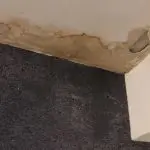
While St. George is famous for its stunning red rocks and sun-drenched landscapes, many homeowners are surprised to learn that water is one of the most persistent threats to their property. In our high-desert environment, the risk factors are unique; the same intense heat that makes our summers famous also works to degrade building materials, making water damage st george ut a frequent and costly reality for local residents. Whether it is a sudden cloudburst that overwhelms your yard or a silent leak hidden behind a stucco wall, understanding the primary culprits behind moisture intrusion is the first step toward effective home protection.
The environmental variables in Washington County create a perfect storm for plumbing and structural failures that differ significantly from other regions. Our extremely hard water, combined with thermal expansion from 40-degree temperature swings, puts immense stress on every pipe and appliance in your home. By identifying these common local hazards early, you can take proactive steps to safeguard your investment and avoid the stress of a major restoration project.
What causes the most water damage in residential homes?
Statistically, the vast majority of residential issues stem from internal plumbing failures rather than external weather events. While we often worry about the big storms, a simple worn-out supply line to a refrigerator or washing machine is far more likely to cause significant harm over time. In many St. George neighborhoods, high municipal water pressure can accelerate this wear and tear, eventually leading to a catastrophic failure that can flood an entire floor in just a few hours.
Beyond simple wear, our local water chemistry plays a major role in the longevity of residential systems. The high mineral content found in our groundwater can lead to scale buildup and corrosion inside galvanized or copper pipes, eventually resulting in pinhole leaks that are difficult to detect. These slow, hidden leaks are often more dangerous than a burst pipe because they allow mold to flourish in the dark, warm spaces of your crawl space or attic before any visible signs appear on your drywall.
External factors like poor soil grading and aging roof systems also contribute heavily to the local statistics. Because our desert soil can become as hard as concrete during the dry season, it often lacks the ability to absorb water quickly during a sudden downpour. This leads to surface runoff pooling against foundations, where it can find its way into basements or crawl spaces through tiny settlement cracks that have expanded in the heat.
The Chilling Reality of Burst Pipes in St. George Homes
Many new residents assume that because we live in a desert, we are safe from freezing issues, but burst pipes St. George homes are a very real winter threat. Our temperatures frequently drop below freezing during winter nights, and pipes located in uninsulated areas like garages or exterior walls are highly vulnerable. When water freezes inside these lines, the resulting pressure can reach thousands of pounds per square inch, easily rupturing even the strongest metal or plastic fittings.
These bursts often occur in the early morning hours when water usage is at its lowest, allowing the ice to form completely undisturbed. Once the sun rises and the ice begins to thaw, the full force of the city’s water pressure is released through the break, often leading to thousands of dollars in damage before the homeowner even realizes there is a problem. Insulating exposed pipes and maintaining a consistent indoor temperature are essential winter habits for anyone living in the Dixie area.
If you are unsure if your home’s plumbing is properly protected against these temperature swings, contact us to evaluate your home’s vulnerability. We often find that older homes in the historic district or downtown area are at a higher risk due to outdated insulation standards and aging materials. A professional inspection can help you identify these “cold spots” before the next winter freeze arrives.
Managing the Threat of Storm Water Intrusion in UT
The transition from a dry spell to a monsoon can be violent, leading to significant storm water intrusion UT for properties that aren’t prepared for high-volume runoff. In St. George, our “monsoon season” typically runs from July through September, bringing intense localized thunderstorms that can drop several inches of rain in a single hour. This volume of water can quickly overwhelm standard gutter systems and street drainage, turning quiet yards into active waterways.
When this water isn’t directed away from the home effectively, it can penetrate the building envelope through window wells, door thresholds, and even the “weep holes” in your brick or stucco. Because many homes in our area are built on slab foundations, even a small amount of rising surface water can seep under baseboards and ruin expensive flooring. Ensuring that your landscape grading is maintained and that your gutters are free of desert sand is critical for preventing this type of intrusion.
For residents living near the hillsides of Santa Clara or Ivins, the risk is even higher as runoff from the red cliffs can carry mud and debris directly onto private property. Maintaining clear swales and ensuring your drainage basins are functional can prevent the type of mud-laden water damage that is notoriously difficult to clean up. If you’ve noticed water pooling near your walls after a storm, it is a clear sign that your current drainage strategy needs an upgrade.
Understanding AC Leak Water Damage in the Desert
Given our triple-digit summer temperatures, air conditioning is a necessity, but it is also a common source of AC leak water damage for many local households. During the height of summer, an AC unit can pull several gallons of water out of the air every day through the condensation process. If the primary condensate drain line becomes clogged with dust, algae, or mineral deposits, that water has nowhere to go but back into your home.
This type of damage often occurs in attics or closets where the indoor air handler is located, meaning the leak can go unnoticed until a dark stain appears on your ceiling. The intense dust levels in St. George can clog filters and coils quickly, causing the system to work harder and produce even more condensation. Regularly pouring a small amount of vinegar down your drain line and changing your filters every month can prevent these silent leaks from destroying your drywall and insulation.
| Common Cause | Primary Risk Factor | Prevention Tip |
| Plumbing Failures | Hard water corrosion & high pressure | Install a pressure regulator and water softener |
| Appliance Hoses | Aging rubber components | Replace with braided stainless steel lines |
| HVAC Systems | Clogged condensate drain lines | Monthly filter changes and line flushing |
| Roof Leaks | UV degradation of sealants | Annual inspection of flashing and tiles |
| Sprinklers | Overspray against stucco walls | Adjust heads to point away from the foundation |
The Impact of Hard Water on Plumbing Longevity
St. George is known for having some of the hardest water in the country, and the mineral buildup is a leading cause of slow, destructive leaks. Calcium and magnesium deposits can narrow the effective diameter of your pipes, increasing internal pressure and stressing joints and valves. Over time, this “scaling” can lead to the failure of expensive appliances like water heaters and dishwashers, which often leak from the bottom where the damage is hardest to see.
Because these leaks are often gradual, they can saturate the subflooring and create a breeding ground for mold long before a puddle is ever formed. Checking your water meter for movement when all faucets are off is a simple way to verify that you don’t have a hidden “silent killer” in your plumbing system. Many homeowners choose to install whole-home filtration or softening systems to mitigate this risk, which pays for itself by extending the life of their plumbing infrastructure.
If you suspect that your home has been affected by mineral-related leaks, you can contact us for a professional moisture detection survey. Our specialized equipment can find moisture trapped behind tiles or under luxury vinyl plank flooring without needing to tear anything out. Identifying the source of the moisture is the first step in stopping the cycle of damage caused by our local water conditions.
Structural Vulnerabilities and Stucco Moisture Issues
The architectural style of Southern Utah, dominated by stucco and flat roofing, presents its own unique set of water risks. Stucco is a porous material that can absorb moisture if it isn’t properly sealed or if there are cracks in the finish. During a wind-driven rainstorm, water can be forced into these cracks, where it becomes trapped behind the exterior finish. This can lead to wood rot in the framing and the growth of mold that is completely invisible from the interior.
Flat roofs and parapet walls are also common culprits for water intrusion, as they rely on scuppers and drains that can easily be blocked by desert debris. If water pools on a flat roof for more than 48 hours, it begins to find any tiny imperfection in the roofing membrane. Regular maintenance of these drainage points is essential, especially after high-wind events that tend to blow tumbleweeds and sand onto roof surfaces.
Frequently Asked Questions
Why do pipes burst in St. George if it’s a desert?
Even though we are in a desert, winter nights often drop below 32°F. Pipes in unheated areas like garages or crawl spaces can freeze, causing the water to expand and rupture the pipe.
How can I tell if my AC is leaking inside my walls?
Look for signs like bubbling paint, musty odors, or sudden increases in indoor humidity. If you see water stains on your ceiling near the AC vents, it is a sign that your condensate drain pan is likely overflowing.
Is storm water damage covered by my standard insurance?
Usually, damage from rising groundwater or flash floods requires a separate flood insurance policy. However, damage from water that enters through a roof leak caused by a storm is often covered under a standard policy.
How does hard water cause leaks?
The minerals in hard water create scale buildup that can corrode metal pipes from the inside out and cause valves to fail, leading to slow drips that can go unnoticed for months.
What is the first thing I should do if I find a leak?
Turn off your main water shut-off valve immediately to stop the flow of water. Once the source is contained, call a professional to begin the drying process to prevent mold growth.
Protecting Your St. George Home for the Long Term
Staying vigilant and understanding the unique risks of our desert climate can save you from the headache of unexpected residential flooding. By maintaining your plumbing, HVAC, and exterior drainage, you create a home that is resilient against both the intense summer heat and the sudden winter freezes. A small investment in seasonal maintenance is always better than the cost of a full-scale restoration.
At Ally1 DS, we specialize in helping homeowners recover from the most common causes of water damage st george ut. Whether you are dealing with a localized appliance failure or a major flood event, our team has the local expertise to dry out your property and restore it to its original condition. We understand the specific building materials and climate challenges of Southern Utah, ensuring a thorough and professional restoration every time.
If you are currently facing a water emergency or want to schedule a preventive moisture inspection, contact us today to speak with one of our experts. We are proud to serve the St. George community and are dedicated to providing the authentic, reliable information you need to keep your home safe and dry. Trust Ally1 DS to be your partner in property protection and restoration.