Mold problems in Saint George, UT can escalate quickly due to the area’s climate, construction styles, and humidity patterns. Homeowners often take fast action when mold appears, but many overlook critical steps in proper remediation. Understanding the most frequent mistakes in mold remediation saint george Ut helps you avoid repeat contamination, structural issues, and unnecessary expenses.
Why do homeowners make mistakes in mold remediation saint george ut?
Many mold issues start small before growing into larger, more destructive problems. Homeowners often underestimate how quickly mold spreads behind walls, under flooring, and inside HVAC systems. When mold cleanup is rushed or done incorrectly, the contamination returns, often worse than before.
Several factors contribute to mistakes: lack of knowledge, DIY attempts, ignoring moisture sources, improper equipment, and failure to use professional-grade containment. These issues are especially common in homes exposed to fluctuating moisture patterns or poor ventilation.
Understanding the Saint George climate
Saint George experiences dry desert conditions mixed with periods of high humidity. This combination causes condensation in crawlspaces, basements, and bathrooms. Homes not properly ventilated or sealed are more prone to hidden mold pockets that DIY cleaning methods miss.
Why ignoring mold leads to larger issues
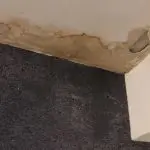
Mold is more than a surface problem. When homeowners clean only what they can see, the deeper contamination continues growing. Over time, this can weaken wood framing, drywall, insulation, and even cause musty odors that persist in living spaces.
Construction factors that affect mold growth
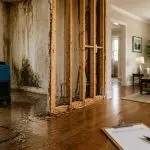
Certain building styles in UT, such as tight insulation, slab foundations, and limited airflow behind walls, create moisture traps. When these areas are not checked during remediation, mold returns soon after cleaning.
What are the biggest mistakes homeowners make during mold cleanup?
When performing home mold remediation Saint George, several common errors can prevent successful results and create long-term problems.
Mistake 1: Not addressing the moisture source
Mold cannot grow without moisture. Cleaning the visible mold without fixing humidity, leaks, or condensation causes immediate regrowth. Bathroom fans, leaking pipes, and crawlspace humidity are frequent culprits.
Mistake 2: Poor containment practices
Failing to seal off the affected area allows mold spores to spread into clean rooms. Without plastic barriers, HEPA filtration, and negative air pressure, mold can contaminate the entire home. Homes with open floor plans in Saint George are especially vulnerable.
Mistake 3: Using DIY methods or bleach
Many homeowners attempt DIY mold removal using bleach or household cleaners, which only treat the surface. Porous materials like drywall and insulation require professional removal, not wiping. This mistake leads to concealed mold colonies growing again.
Mistake 4: Skipping post-remediation inspection
Once cleanup is done, the area should be tested or inspected to confirm safe mold levels. Ignoring this step creates risk of undetected contamination and recurring problems.
Mistake 5: Hiring unqualified or non-local contractors
Some homeowners hire companies with no mold certifications, limited experience, or no understanding of Utah’s building conditions. This contributes to UT mold remediation pitfalls such as incomplete cleanup and lack of moisture control solutions.
How can you avoid these mold remediation mistakes in Saint George?
Avoiding mistakes requires a structured approach, proper tools, and professional expertise.
Full home assessment
A mold remediator should inspect the entire home, not just the visible mold spot. Moisture mapping, attic checks, crawlspace evaluation, and ventilation reviews ensure no problem areas are missed.
Proper containment
Containment should include sealing off the affected area, setting up negative air machines, and using HEPA vacuums during cleanup. Failure to do this spreads spores throughout your home.
Professional removal
Certified mold technicians understand how to remove contaminated materials safely, determine what can be salvaged, and treat non-porous surfaces correctly. This prevents common Saint George mold removal errors seen in DIY jobs.
Verification and long-term prevention
After removal, professionals should provide clearance testing and recommend long-term moisture strategies such as improved ventilation, dehumidifiers, or moisture barriers.
Choosing a trusted contractor
Research local experience, check certifications, and review remediation processes before hiring. Local expertise is essential for recognizing Saint George-specific building and climate risks.
Table: Common Mistakes vs. Solutions
| Common Mistake | Correct Solution |
| Not fixing moisture problem | Identify and fix leaks or humidity sources |
| Poor containment | Seal work area, use HEPA and negative pressure |
| DIY bleach cleaning | Hire certified professionals |
| Skipping inspection | Do post-remediation testing |
| Hiring uncertified company | Choose trained, local mold experts |
What makes mold remediation in Saint George unique?
Saint George homes experience a mix of desert dryness and sudden humidity spikes. These conditions cause unseen condensation behind walls, under flooring, and in crawlspaces. Homes with older construction or inadequate attic airflow are especially vulnerable. When remediation fails to account for these local factors, mold returns quickly, sometimes within weeks. Additionally, Utah’s hot summers and cold winters create temperature changes that push moisture into insulation and wall cavities, causing hidden mold colonies.
FAQs About Mold Remediation in Saint George, UT
Q1: How do I know if mold remediation is needed in my home?
If mold covers more than 10 square feet, causes odors, or appears repeatedly, professional remediation is necessary.
Q2: Can I remove the mold myself?
DIY methods usually fail because they miss underlying moisture issues. Professionals ensure safe and complete removal.
Q3: What causes recurring mold in Saint George homes?
Common causes include poor containment, missed moisture sources, and improper cleanup techniques.
Q4: Is mold dangerous to breathe?
Yes. Mold exposure may trigger allergies, respiratory issues, and chronic sinus irritation.
Q5: How long does professional remediation take?
Most jobs take 1–3 days depending on severity, moisture levels, and area size.
Conclusion
Avoiding common mistakes in mold remediation saint george ut helps ensure your home remains healthy, safe, and mold-free long-term. From fixing moisture sources to ensuring proper containment and hiring certified professionals, each step matters. At Ally 1 Disaster Solutions, we specialize in tailored solutions designed for the unique conditions of Saint George, helping homeowners avoid costly errors and achieve lasting results. When you need trusted mold remediation backed by local expertise, our team is here to help.