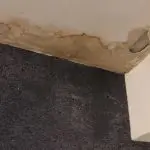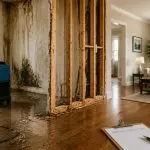
Homeowners can only safely handle water damage restoration themselves if the intrusion is limited to a small area of non-porous surface, the water is from a clean source, and the moisture has not penetrated into wall cavities or subfloors. For any event involving more than a few gallons of water or any level of contamination, attempting a DIY cleanup often results in hidden moisture pockets that lead to structural rot and mold within 48 hours. Because of the unique high-altitude conditions in Southern Utah, professional water damage restoration in Beaver is typically required to ensure that the structural integrity of the home is maintained and that the indoor air quality remains safe for the occupants.
Can I clean up the water damage myself?
You can handle minor water cleanup yourself if the source is “Category 1” clean water and the affected area is less than 10 square feet of surface material. If you are dealing with a small spill from a sink or a minor appliance leak on tile or linoleum, using a wet-vacuum and industrial fans may be sufficient for surface drying. However, if the water has reached the drywall, baseboards, or carpet padding in your Beaver home, household equipment lacks the power to extract deep-seated moisture, often leaving the home vulnerable to long-term damage.
If you have discovered water that has migrated under your flooring or into the crawl space, you should contact-us to have a professional moisture mapping session performed with thermal imaging technology.
- DIY Limit: Only attempt cleanup for clean water spills under 10 square feet.
- Contamination Risk: Never attempt to clean “Gray” or “Black” water (sewage or groundwater) without professional PPE.
- Hidden Moisture: Be aware that water hides behind baseboards and under cabinets where household fans cannot reach.
- Time Sensitivity: If the home is not completely dry within 24 to 48 hours, mold colonization is almost guaranteed.
When should I call a professional for water damage in Beaver?
You should call a professional for water damage restoration in Beaver if the water has touched porous materials like drywall, insulation, or carpet, or if the source of the water is unknown or contaminated. In our local area, where winter freezes near the Tushar Mountains can cause significant pipe bursts, the volume of water released often exceeds the capacity of consumer-grade shop vacs. Professional intervention is also necessary if the water has been sitting for more than a couple of hours, as it begins to wick vertically into the structural framing of the home.
Professional vs DIY restoration is not just about the equipment; it is about the scientific measurement of moisture. Experts use moisture meters to confirm when a material has reached its “dry standard,” whereas homeowners often stop drying once the surface feels dry to the touch, leaving the interior of the wall damp.
If you are unsure if your home is truly dry, you should contact-us to prevent the “secondary damage” that occurs when trapped humidity causes wood to swell and paint to peel throughout your property.
What are the main DIY water cleanup risks Beaver residents face?
The most significant DIY water cleanup risks Beaver residents face include electrical hazards, exposure to pathogens, and the eventual development of toxic mold. Our local soil often contains various minerals and bacteria that can be carried into a home during snowmelt or storm runoff near the Beaver River. Without the proper antimicrobial treatments and HEPA air scrubbing, a DIY attempt may leave behind microscopic contaminants that affect the respiratory health of your family.
Furthermore, improper drying techniques can actually “lock” moisture inside a structure. Using high heat without proper dehumidification, for example, can create a “greenhouse effect” that accelerates mold growth behind your wallpaper or under your laminate flooring.
Electrical and Structural Safety
Water conducting through outlets or floor joists creates a severe electrocution risk. Additionally, saturated drywall can become extremely heavy and collapse from ceilings without warning.
Mold and Mycotoxins
Mold activates within 24 hours in the damp environments created by inadequate DIY drying. These spores can spread through the HVAC system of your Beaver home, leading to a much more expensive remediation project later.
Insurance Claim Denials
If a homeowner attempts a DIY repair and mold or rot develops later, insurance companies may deny the claim due to “negligence” or “improper mitigation.”
How does professional equipment differ from household tools?
The specialized equipment used by restoration professionals is designed to manage the specific vapor pressure and airflow required for structural drying. While a standard box fan might move surface air, it cannot pull moisture out of the dense materials used in North Creek homes, such as solid wood studs or plaster. Professional restoration uses a combination of tools to create a balanced drying environment.
To ensure your home is dried to industry standards using calibrated equipment, you should contact-us to deploy high-velocity air movers and LGR dehumidifiers.
| Tool Type | Household Version | Professional Version | Benefit |
| Water Removal | Mop/Shop Vac | Truck-Mounted Extractor | Removes 90% more water from padding. |
| Air Movement | Box/Pedestal Fan | High-Velocity Air Mover | Forces moisture out of building materials. |
| Dehumidification | Room Dehumidifier | LGR (Low Grain) Dehumidifier | Pulls moisture from the air in low humidity. |
| Moisture Detection | “Touch Test” | Thermal/Probing Meters | Finds hidden water inside wall cavities. |
| Sanitization | Bleach/Vinegar | Hospital-Grade Antimicrobials | Kills 99.9% of waterborne pathogens. |
What are the steps for a safe DIY start before a pro arrives?
If you are waiting for a professional team to arrive at your Beaver business or residence, there are several safe steps you can take to mitigate damage. These actions help stabilize the environment and can often save your personal belongings from permanent staining or odors.
- Stop the Source: Shut off the main water valve if the leak is from a plumbing failure.
- Protect Furniture: Place aluminum foil or wood blocks under furniture legs to prevent rust or stain transfer to the floor.
- Remove Rugs: Take area rugs off wet flooring to prevent color bleeding.
- Clear the Area: Move small items, electronics, and books to a high, dry location.
- Open Windows (Weather Permitting): If the outdoor humidity is low, opening windows can help initial air circulation.
Frequently Asked Questions
Is it safe to stay in a house with water damage?
It is only safe if the damage is localized to a small area and the water is clean. If there is significant moisture in the walls, the risk of electrical shock and the rapid onset of mold makes it safer to stay elsewhere until the home is stabilized.
Will household fans dry out wet drywall?
Standard fans generally cannot dry the interior of a wall. They may dry the paint surface, but the paper backing of the drywall and the wooden studs behind it will remain wet, leading to rot and mold growth over time.
Can I use bleach to kill mold from water damage?
Bleach is generally not recommended for porous materials like drywall or wood. It often only kills the surface mold while the water in the bleach soaks into the material, actually feeding the mold roots deep inside.
How do I know if water got under my floor?
If you see cupping in hardwood, feel a “squishy” sensation in laminate, or notice baseboards pulling away from the wall, water has likely reached the subfloor. A professional moisture meter is the only way to confirm this for certain.
How long can I wait to call a professional?
You should call within the first 24 hours. The “golden window” for preventing mold and saving materials like hardwood and drywall is very short, and every hour of delay increases the total restoration cost.
Conclusion
Deciding whether to tackle a flood yourself or call for professional water damage restoration in Beaver is a choice between immediate convenience and long-term property safety. While minor surface spills are manageable, the complexities of structural drying and sanitization in our unique Southern Utah environment usually require expert intervention. By choosing professional mitigation, you ensure that hidden moisture is identified, insurance documentation is accurate, and your home is returned to a safe, pre-loss condition.
At Ally 1 DS, we are committed to being the trusted local service provider that homeowners can rely on when the task becomes too much to handle. We provide a complete, scientific solution to the problems discussed in this guide, using the latest technology to protect your investment and your health. Our team understands the urgency of these situations and is ready to help you navigate the recovery process with transparency and care. When it comes to the safety of your home, having a professional partner ensures the job is done right the first time.