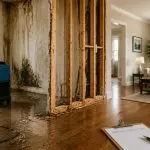
Detecting water damage in its earliest stages is the difference between a simple fix and a structural catastrophe for homeowners in Southern Utah. Because our desert climate often masks moisture through rapid surface evaporation, many residents overlook the subtle indicators of a failing pipe or a compromised roof until the situation requires professional intervention. If you notice damp spots, unusual odors, or a sudden spike in your utility costs, you are likely dealing with water damage st george ut residents often face due to aging infrastructure or extreme weather shifts. This guide provides a direct roadmap to identifying these symptoms before they compromise your property value or your family’s health.
How do I know if I have water damage in my walls?
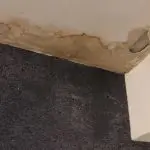
You can identify water damage in your walls by looking for physical changes in texture, such as bubbling paint, peeling wallpaper, or drywall that feels soft to the touch. In St. George homes, particularly those near the Virgin River or in established neighborhoods like Bloomington, moisture often gets trapped behind the wall’s surface. When water saturates the gypsum core of the drywall, it loses its structural integrity, causing it to sag or “puck”) around nail heads.
Another critical indicator is the appearance of localized discoloration. These spots typically appear as yellowish-brown stains that expand over time in a circular pattern. Because our local water supply is high in mineral content, these stains might also leave a slightly chalky or white crusty residue known as efflorescence as the water evaporates. If you see these signs, it is essential to contact-us to ensure a professional assessment of the underlying plumbing or roofing issue.
Physical symptoms to watch for:
- Warped Baseboards: If the wood or MDF trim at the bottom of your walls starts to cup or pull away from the wall, water is likely pooling under the flooring.
- Persistent Musty Smells: A “wet dog” or earthy odor that doesn’t go away with cleaning usually indicates mold growth behind the drywall.
- Audible Dripping: In quiet moments at night, you may hear a faint ticking or dripping sound coming from inside the wall cavity.
What are the most common water damage signs St George UT homeowners should look for?
The most common signs of water damage in our region include unexplained increases in water bills, visible mold growth in high-humidity areas, and cracked or heaving flooring. While many people associate water issues with heavy rain, most issues in Washington County stem from pinhole leaks in copper piping or failing water heaters. Because our desert air is so dry, small leaks can go unnoticed for months as the moisture evaporates just enough to stay hidden but continues to rot the internal framing of the home.
Homeowners near Red Cliffs National Conservation Area or the Ledges should also pay close attention to their foundations. The soil composition in parts of St. George can lead to drainage issues during sudden monsoon downpours. If you notice that your doors are suddenly sticking or that new cracks are appearing in your tile flooring, these could be hidden water damage symptoms Utah residents experience when the ground shifts due to excessive moisture saturation around the perimeter of the home.
Where does hidden water damage usually occur in Southern Utah homes?
Hidden water damage typically occurs in areas that are rarely inspected, such as the attic, crawl space, and the cabinet bases under sinks. In the St. George heat, attic leaks from a damaged tile roof can be particularly deceptive. The heat often dries the top layer of the ceiling drywall, but the insulation remains damp, creating a breeding ground for mold and weakening the ceiling joists over time.
High-Risk Areas in Your Home:
- Under the Dishwasher: Slow leaks from the supply line can rot the subfloor long before water ever reaches the kitchen tile.
- Behind the Refrigerator: Dust buildup often hides small leaks from the ice maker line, which can damage the wall and floor concurrently.
- The HVAC Closet: In our climate, air conditioners run constantly. If the condensate drain line clogs, the overflow can saturate the surrounding floor and walls.
- Bathroom Vanities: Slow drips from the P-trap often go unnoticed because they are obscured by cleaning supplies stored under the sink.
If you find that your kitchen cabinets are swelling or the laminate is beginning to delaminate, it is vital to reach out and contact-us before the wood rot spreads to the primary structural supports of your home.
How can you detect water leaks St George homes might have in the foundation?
Detecting foundation leaks requires a close inspection of the lowest points of your home and the exterior perimeter. Look for “hot spots” on your floor, which are areas of the tile or concrete that feel significantly warmer than the rest of the room. This is often a sign of a slab leak in the hot water line. Additionally, look for moisture “wicking” up the exterior stucco or brickwork, especially in neighborhoods like Little Valley or Washington Fields where irrigation systems are common.
| Sign of Leak | Location | Likely Cause |
| Efflorescence | Foundation/Basement | Groundwater seepage or poor drainage |
| Buckling Wood | Entryways/Windows | Poor flashing or window seal failure |
| Damp Carpeting | Bedrooms/Basements | Slab leak or high water table |
| Cracked Grout | Bathrooms/Kitchen | Subfloor saturation and movement |
Does St. George’s hard water contribute to water damage?
Yes, the high mineral content in St. George’s water supply significantly contributes to the premature failure of plumbing fixtures and appliances. Calcium and magnesium buildup can create blockages in your pipes, leading to increased pressure and eventual bursts. This “scale” also builds up in water heaters, causing them to overheat and eventually leak from the bottom of the tank.
If you notice a white, crusty buildup on your faucets or showerheads, this same process is happening inside your walls. These mineral deposits can corrode seals in washing machines and dishwashers, leading to sudden floods. Regularly checking these connections is a key part of local home maintenance. If you notice any signs of corrosion on your shut-off valves, you should contact-us to discuss preventative measures or repairs to avoid a major flood event.
Why is it important to address water damage immediately in a desert climate?
In the St. George desert, the window for effective water damage mitigation is much shorter than in cooler climates. While the surface might dry quickly, the internal temperature of a home combined with trapped moisture creates a “greenhouse effect” inside wall cavities. This leads to rapid microbial growth. Mold can begin to colonize in as little as 24 to 48 hours when moisture is present, especially during the humid monsoon season in late summer.
Furthermore, the structural materials used in many Southern Utah homes, such as engineered wood and drywall, act like a sponge. Once these materials absorb water, they lose their strength and can become a permanent health hazard if not dried or replaced correctly. Addressing the issue the moment you suspect a problem prevents the need for extensive demolition and expensive reconstruction later on.
What should I do if I find a leak in my St. George home?
If you discover an active leak, your first step is to locate the main water shut-off valve. In most St. George properties, this is located in the garage or in a box near the street. Turning off the water stops the immediate flow and prevents further saturation. Once the water is off, you should document the damage with photos and videos for insurance purposes before any cleanup begins.
Avoid using a standard vacuum to pick up water, as this can be an electrocution hazard and will damage the vacuum. Instead, use a wet-dry vac if the water is clear, or call in a professional team if the water is “gray” or “black” (from a toilet or drain). Professionals have the industrial-grade dehumidifiers and air movers necessary to pull moisture out of the deep layers of your home’s structure, which a standard household fan cannot do.
Identifying Outdoor Water Issues That Affect Your Indoor Space
Sometimes the signs of water damage st george ut residents experience start outside. Over-irrigation or misaligned sprinkler heads can spray directly against the foundation or stucco of a home. Over time, this water penetrates the exterior envelope. If you see moss or algae growing on your North-facing walls or near your flower beds, the moisture is likely reaching your interior framing.
Check your rain gutters, especially before the autumn rains. While St. George doesn’t get frequent rain, when it does come, it is often intense. Clogged gutters can cause water to back up under your roof, shingles or overflow directly into your foundation’s “drip zone.” Ensure that your downspouts extend at least five feet away from your home’s foundation to prevent hydrostatic pressure from forcing water through the concrete.
Frequently Asked Questions (FAQs)
How can I tell the difference between a new water stain and an old one?
A new water stain will usually feel damp or “tacky” to the touch and may have a darker, more defined border. Older stains are typically dry, brittle, and may have a lighter, yellowish color with faded edges. If the stain is growing in size, the leak is active regardless of how it feels.
Is mold always a sign of water damage in St. George?
Yes. Mold requires a consistent moisture source to grow. Because our outdoor humidity is generally very low, mold growth inside a home almost always indicates a hidden leak, a ventilation problem, or a previous flood that was not dried properly.
Will my homeowners insurance cover water damage in Southern Utah?
Most policies cover “sudden and accidental” water damage, such as a pipe bursting or a water heater failing. However, they often exclude damage caused by “gradual seepage” or lack of maintenance. This is why detecting early warning signs is so critical for your financial protection.
Can a high water bill really indicate a leak?
Absolutely. If your water usage has increased but your habits haven’t changed (like filling a pool or increasing irrigation), you likely have a hidden leak. Even a small toilet leak can waste hundreds of gallons of water a month, leading to significant costs and potential property damage.
Why does my bathroom floor feel soft near the toilet?
This is a classic sign of a failed wax ring. Water seeps out every time the toilet is flushed, saturating the subfloor. Because the tile hides the water, you won’t see the damage until the wood underneath has rotted enough to lose its rigidity.
Conclusion
Understanding the unique ways that moisture affects properties in the high desert is the best way to protect your investment. From the mineral-heavy water that erodes our pipes to the intense heat that hides deep-seated dampness, St. George presents specific challenges that require a vigilant eye. By regularly inspecting the “hidden” areas of your home and responding quickly to changes in smell, texture, or utility costs, you can mitigate the risks of long-term structural issues.
When the unexpected happens, having a partner who understands the local architecture and environmental challenges is invaluable. Ally 1 DS is a trusted local service provider dedicated to helping homeowners navigate these challenges with precision and care. Whether you are dealing with a minor drip or a major flood event, we provide a comprehensive solution to the problems discussed in this guide. Protecting your home from water damage st george ut starts with awareness, but it finishes with the professional expertise needed to return your property to a safe, dry, and healthy condition.