After a fire, the road to recovery often feels uncertain. Utah homeowners facing this crisis need clarity about what happens next and how long it will take. The fire damage restoration Utah process varies depending on the extent of damage, but knowing what to expect helps you stay calm, organized, and financially prepared.
What is the typical timeline for fire damage restoration in Utah?
Every home and fire is different, but understanding a general timeline provides a useful framework. For minor smoke cleanup, the process may take a few days, while full reconstruction after structural loss could take several months. The key is quick action and working with trusted professionals who specialize in fire damage restoration Utah projects.
Phase 1 – Emergency Response and Initial Assessment
Once the fire is extinguished, restoration teams act immediately to secure the property. They board up windows, tarp roofs, and ensure structural safety. This stage usually lasts one to two days and prevents additional damage from weather or vandalism.
Phase 2 – Smoke, Soot, and Water Mitigation
During this phase, crews remove soot, dry out water, and clean affected surfaces. Depending on the extent of smoke and moisture infiltration, this can take anywhere from three days to two weeks. Utah’s dry climate can speed drying, but larger properties or deep soot penetration may extend the process.
Phase 3 – Structural Repairs and Reconstruction
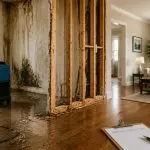
If structural components such as walls, floors, or roofing are compromised, the rebuilding phase begins. This is often the longest phase and can span from one to six months. Reconstruction involves replacing drywall, wiring, flooring, insulation, and repainting to restore the home’s integrity.
Phase 4 – Final Finishing and Move-Back
After major repairs, professionals focus on final cleaning, painting, and deodorization. Air quality testing ensures the home is safe to occupy. This final stage may take one to two weeks depending on inspection schedules and finishing work.
Factors that influence the Utah fire restoration timeline
Understanding what affects the duration of Utah fire restoration timeline projects can help you anticipate challenges and plan efficiently.
Severity of the fire
Small, contained fires require less cleanup, while large, structure-wide blazes need months of restoration. The deeper the smoke and water penetration, the longer cleanup and drying will take.
Smoke, soot, and water damage
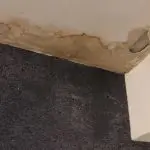
Soot can spread through HVAC systems, insulation, and walls, requiring deep cleaning and filtration. Water used by firefighters can lead to mold growth if not handled quickly.
Home size and layout
Larger or multi-story homes take more time to assess and repair. Complex layouts, high ceilings, and specialized finishes also extend restoration time.
Permits and inspections
Utah’s local building codes may require permits and inspections before reconstruction. Waiting for these approvals can delay timelines, especially in wildfire-risk zones.
Labor and materials availability
Restoration speed often depends on the availability of skilled labor and materials. Seasonal demand or remote locations may increase lead times for supplies.
Insurance processing
Filing a claim and waiting for approval can sometimes delay work. Working closely with your insurance adjuster helps prevent unnecessary downtime.
Estimated Utah fire restoration timeline
| Damage Severity | Description | Estimated Duration |
| Minor | Small fire, limited smoke and water damage | 3–10 days |
| Moderate | Several rooms damaged, partial structure repair | 2–6 weeks |
| Severe | Full reconstruction, structural rebuilds | 2–6+ months |
These timeframes serve as general guidelines. Your actual schedule may vary depending on inspection results and property accessibility.
How homeowners can accelerate the process
Contact professionals immediately
Once your home is cleared safe, reach out to a local restoration expert. Rapid response limits secondary damage. Consider contacting Ally 1 Disaster Solutions for certified emergency services in Utah.
Document everything for insurance
Take clear photos and videos before cleanup begins. Maintain records of all damages, receipts, and correspondence to ensure smooth insurance claims.
Stay involved and make timely decisions
Review estimates quickly, approve repair plans, and stay in contact with your contractor. Prompt communication prevents unnecessary hold-ups.
Prepare for temporary living
Depending on damage severity, you may need to relocate. Planning early avoids interruptions once the rebuild begins.
Monitor progress and ask for updates
Regular site visits and progress checks keep your project on schedule. Transparency between homeowners, insurers, and contractors ensures consistency.
Common delays in Utah property fire recovery phases
Even with proper planning, some challenges can extend the Utah property fire recovery phases beyond expectations. Hidden damage behind walls, permit delays, supply shortages, or new structural discoveries may add weeks. Weather conditions like Utah’s winter freeze can also impact drying times and exterior repairs.
Another frequent cause of delay is slow insurance approval. Filing claims immediately and maintaining communication with adjusters helps reduce this risk. Experienced restoration companies work directly with insurers to keep projects moving.
Frequently Asked Questions (FAQs)
Q1: How long does it take to restore a typical fire-damaged home in Utah?
For moderate damage, restoration takes about 2–6 weeks. Severe structural repairs can last several months.
Q2: Can I stay in my home during fire damage restoration?
If the air quality is safe and structural integrity intact, you may stay. Otherwise, temporary relocation is recommended.
Q3: What phase takes the longest in the restoration process?
Reconstruction and structural rebuilding typically take the most time, especially when permits and inspections are required.
Q4: How can homeowners speed up the restoration process?
Hire qualified professionals quickly, make timely decisions, and maintain clear communication with both your contractor and insurance provider.
Q5: Does the Utah climate affect restoration timelines?
Yes. Utah’s dry air helps speed drying, but seasonal storms or cold temperatures can cause occasional delays.
Conclusion
Recovering from a home fire is stressful, but understanding the average time to rebuild after fire in Utah homes can make the process less overwhelming. With the right plan and trusted professionals, most properties can be restored safely within a predictable timeframe. Acting fast, documenting thoroughly, and cooperating with insurance ensures steady progress.
At Ally 1 Disaster Solutions, we specialize in comprehensive fire damage restoration Utah services. From assessment to full reconstruction, our team helps homeowners restore safety, comfort, and peace of mind. For expert guidance and immediate support, visit our contact page today and begin your path to complete recovery.