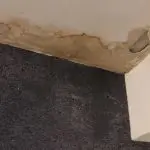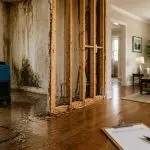
Discovering a puddle in your laundry room or a damp spot on your ceiling can feel like a minor inconvenience, but in Southern Utah, time is your greatest enemy. Many homeowners wonder exactly how long they can wait before the situation becomes an emergency, but the reality is that water damage st george ut begins to escalate within minutes of the initial intrusion. Because our environment alternates between extreme dry heat and sudden moisture, building materials can react unpredictably, leading to rapid deterioration that often goes unnoticed until it is too late. Waiting even a few hours to address standing water can turn a simple drying job into a major reconstruction project.
The transition from a “nuisance” to a “disaster” happens much faster than most people realize. In the first hour, water spreads across floors, soaking into carpets, baseboards, and furniture while staining walls and potentially compromising electrical outlets. By the time a full day has passed, the high humidity trapped inside your home begins to cause secondary issues that are far more difficult to remediate than the initial leak. Understanding the specific windows of opportunity for mitigation can save you thousands of dollars and protect the structural integrity of your property.
How soon should you call a professional for water damage?
The industry standard for a safe response is almost always “immediately,” but generally, you must have a professional on-site within the first 24 to 48 hours to prevent permanent loss. This is the critical immediate restoration timeline that determines whether your hardwood floors can be saved or if your drywall will need to be completely stripped to the studs. In St. George, where the heat can accelerate the breakdown of adhesives and finishes, this window is even tighter than in cooler climates.
If water is actively flowing or if the source is a sewage backup, the call should be made the second you have turned off your main water valve. Professionals have industrial-grade extraction tools that can remove hundreds of gallons of water in a fraction of the time it takes for a standard shop-vac to make a dent. The more liquid you can remove from the home in the first two hours, the less moisture there is to migrate into the “hidden” areas of your home like subfloors and wall cavities.
Delaying the call often leads to a phenomenon known as “wicking,” where water climbs up the porous materials of your home through capillary action. This means a leak on the floor can eventually damage the insulation three feet up inside your walls if left unaddressed. By engaging a team early, you ensure that the drying process starts before the water has a chance to settle into the structural bones of the building, which are much harder to dry once saturated.
The Ticking Clock: Mold Growth Risk Timeframe
One of the most significant dangers of waiting to call for help is the mold growth risk timeframe, which typically begins between 24 and 48 hours after the water event. Mold spores are naturally present in the air in St. George, but they require a consistent source of moisture and organic food, like the paper backing on your drywall, to colonize. Once these colonies are established, they release more spores into your HVAC system, potentially spreading a localized problem throughout your entire residence.
In our desert climate, the “evaporative cooling” effect inside a water-damaged home can actually create a humid microclimate that mold loves. While it might be 105 degrees outside, the damp interior of a closed-up home provides the perfect incubation chamber for fungal growth. If you wait more than two days to begin professional dehumidification, you are almost guaranteed to face a mold remediation bill on top of your standard water restoration costs.
To minimize these risks, contact us as soon as you detect a musty odor or visible dampness. Early intervention allows professionals to apply antimicrobial treatments that inhibit spore germination while the drying equipment does its work. Stopping mold before it starts is significantly cheaper and safer for your family’s health than trying to remove an established infestation a week later.
Why 24/7 Emergency Water Damage Service is Vital
When a pipe bursts at 3:00 AM on a Sunday, you cannot afford to wait until business hours on Monday to start the cleanup process. Utilizing a 24/7 emergency water damage service is essential because water does not stop moving just because the sun has gone down. Every hour that water sits in your home, it penetrates deeper into the materials, increasing the likelihood of structural warping and rot.
Emergency responders are equipped to handle the “mitigation” phase, which involves stopping the source, extracting the bulk of the water, and setting up high-powered air movers immediately. This rapid response stabilizes the environment and brings the relative humidity down to a level where damage stops progressing. In the world of restoration, a four-hour delay can be the difference between cleaning a carpet and replacing the entire subfloor.
Furthermore, most insurance policies require homeowners to take “reasonable steps” to prevent further damage after a loss is discovered. Calling an emergency service immediately demonstrates that you are acting to mitigate the loss, which can make the claims process much smoother. Having a professional on-site early also means you have a detailed record and moisture map of the initial damage, which is vital documentation for your insurance adjuster.
The Impact of Heat on Water-Damaged Materials
In St. George, our intense summer heat plays a unique role in how water affects a home. High temperatures can cause water to evaporate quickly from surfaces, but that moisture stays trapped in the air, creating a “sauna” effect inside the building. This high-temperature humidity can cause paint to blister, wood to swell, and wallpaper to peel much faster than it would in a humid coastal region.
Thermal expansion also means that your building materials are already under stress from the heat. When cold water hits a hot pipe or a sun-baked foundation, the resulting thermal shock can cause cracks to widen or seals to fail. Professional restoration teams in Southern Utah understand these local dynamics and use specialized drying charts to ensure they aren’t “over-drying” materials, which can lead to brittle wood and cracked finishes.
| Time Elapsed | Condition of Damage | Action Required |
| 0-2 Hours | Water spreads; furniture stains start; odors begin | Immediate extraction and source control |
| 2-24 Hours | Drywall begins to swell; metal tarnishes; odors intensify | Professional drying and moisture mapping |
| 24-48 Hours | Mold spores activate; wood starts to warp; glue fails | Antimicrobial treatment and high-volume air movement |
| 48 Hours – 1 Week | Structural rot; biohazard risks; massive mold growth | Intensive remediation and potential demolition |
| 1 Week+ | Structural integrity compromised; health hazards present | Full reconstruction and deep-cleansing protocols |
Documenting the Damage for Insurance Claims
When you call a professional shortly after an incident involving water damage st george ut, you are also securing a partner in the insurance process. A restoration specialist will use thermal imaging cameras and moisture meters to create a “map” of where the water has traveled. This evidence is crucial because it shows the adjuster exactly what needs to be fixed, including the moisture hidden behind cabinets or under showers that isn’t visible to the naked eye.
If you wait several days to call, it becomes harder for the insurance company to distinguish between the original damage and “secondary damage” caused by neglect. Most policies cover the sudden burst, but they may deny coverage for mold or rot that occurred because the homeowner failed to act promptly. Having a professional arrival timestamp and a mitigation plan in place within hours of the leak provides the best protection for your claim.
If you are currently struggling to navigate the complexities of a recent flood or leak, reaching out to us can provide you with the documentation and support needed to talk to your adjuster. We work directly with most major insurance carriers in Utah to ensure that your home is restored to its pre-loss condition without unnecessary delays. Our goal is to take the stress of the paperwork off your shoulders so you can focus on getting your life back to normal.
Hidden Dangers of DIY Water Cleanup
Many homeowners try to handle water damage themselves using household fans and towels, but this often leads to a false sense of security. While the surface might feel dry to the touch after a few hours, the subfloor and the base of the wall studs are often still saturated. Without professional-grade dehumidifiers to pull the moisture out of the air and the materials, that trapped water will eventually cause the floor to “buckle” or “cup” weeks after the event.
Furthermore, DIY methods often ignore the category of the water. If the water came from a dishwasher, washing machine, or a toilet overflow, it may contain bacteria or chemical contaminants that require professional-grade sanitizers. Cleaning up “grey” or “black” water without proper personal protective equipment (PPE) and EPA-approved disinfectants can put your family at risk for respiratory issues and skin infections.
Frequently Asked Questions
Does water damage always result in mold?
Not necessarily. If you can completely dry the affected area within 24 to 48 hours and keep the humidity levels low, you can prevent mold from ever taking root. Professional drying equipment is usually required to hit this window.
Can I wait until the morning to call if a leak happens at night?
It is highly discouraged. Water is highly invasive and will continue to seep into your home’s structure every minute it is left unaddressed. An emergency response at 2 AM can save you from a month-long renovation later.
How do I know if the water is “dry”?
A surface can feel dry to the hand while the interior of the material is still wet. Professionals use specialized moisture meters that measure the moisture content of wood and drywall to ensure it has reached a “dry standard.”
Will my insurance pay for a professional restoration?
In most cases, if the damage was sudden and accidental (like a burst pipe), insurance will cover the cost of professional mitigation and repair. It is important to review your specific policy for details on deductitives and limits.
How long does the professional drying process usually take?
A standard residential drying project typically takes between 3 to 5 days, depending on the volume of water and the types of materials involved. Dense materials like hardwood or concrete may take longer.
Partnering with Ally1 DS for Peace of Mind
Navigating the aftermath of a flood is a race against the clock, and having a reliable partner can make all the difference. At Ally1 DS, we understand that every second counts when dealing with water damage st george ut. Our team is trained to respond rapidly, providing the expert extraction and drying services required to halt the progression of damage and save your precious belongings. We pride ourselves on our transparent communication and our commitment to restoring the safety of your home.
Whether you are dealing with a silent leak that has finally surfaced or a major plumbing catastrophe, our 24/7 emergency response ensures that you never have to face the crisis alone. We use the latest technology to monitor the drying process and ensure that no hidden moisture remains to cause future problems. Our deep roots in the St. George community mean we treat every home like it is our own, focusing on quality and authenticity in every repair.
If you have discovered water in your home, do not wait for the damage to get worse. Contact us right now to get a professional on the way to your property. Let Ally1 DS handle the stress of the restoration so you can get back to enjoying the beauty of Southern Utah. We are here to ensure your home remains a safe, dry, and healthy environment for your family.