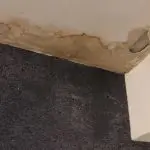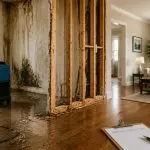
Discovering a burst pipe or a flooded basement is a race against time for any property owner. If you have recently experienced a leak or flood, you are likely wondering how to stop a secondary disaster from taking root in your walls. To prevent mold after water damage, you must completely dry the affected area within 24 to 48 hours and maintain indoor humidity levels below 50%. In the specific environment of Iron County, where rapid temperature shifts can cause hidden condensation, professional mold remediation in Cedar City is often the most reliable way to ensure that moisture is fully extracted from porous materials before fungal colonies can form.
How soon does mold grow after water damage?
Mold can begin to colonize on wet surfaces in as little as 24 to 48 hours after moisture exposure. While you may not see fuzzy patches or dark spots immediately, microscopic spores are often already multiplying within the fibers of your drywall and carpet padding. In Cedar City, our unique climate, ranging from heavy winter snowmelt to intense summer monsoons means that localized humidity in areas like crawl spaces or attics can stay high enough to support growth even when the rest of the house feels dry.
The speed of growth depends on the temperature and the type of material affected. Organic materials like the paper backing on drywall, wood subflooring, and dust trapped in carpets serve as primary food sources for fungi. If standing water is not extracted immediately, the risk of structural damage increases exponentially each day. Because of this tight window, acting within the first two days is critical to avoiding a much larger decontamination project later.
What are the most effective mold prevention solutions?
The most effective mold prevention solutions involve a combination of rapid water extraction, aggressive dehumidification, and the removal of unsalvageable porous materials. Simply mopping up surface water is rarely enough; moisture often seeps behind baseboards and into wall cavities, where it remains trapped. Using industrial-grade air movers and LGR (Low Grain Refrigerant) dehumidifiers is necessary to pull moisture out of the air and the building’s structural elements simultaneously.
For residents in neighborhoods like Fiddlers Canyon or near the South Mountain area, local groundwater levels can sometimes complicate the drying process in basements. In these cases, sanitizing the area with an EPA-registered antimicrobial solution is an essential step to kill any existing spores and inhibit new growth. If you are unsure if your home is truly dry, a quick contact us inquiry can help you schedule a professional moisture mapping assessment to identify hidden pockets of water.
Immediate Action Checklist
- Stop the Source: Shut off the main water valve if the damage is caused by a plumbing failure or broken appliance.
- Extract Standing Water: Use a wet-dry vacuum or submersible pump to remove as much liquid as possible.
- Increase Airflow: Open interior doors and use high-velocity fans to move air across wet surfaces.
- Control the Climate: Keep the indoor temperature stable and run a dehumidifier to maintain humidity below 50%.
Addressing Different Water Categories
Not all water damage is treated the same. The “category” of water dictates whether materials can be saved or must be discarded.
- Category 1 (Clean Water): From a broken supply line or sink overflow. Materials can often be dried in place if addressed quickly.
- Category 2 (Gray Water): From washing machines or dishwashers. May contain chemical or biological contaminants and requires thorough sanitization.
- Category 3 (Black Water): Sewage or floodwater from Coal Creek. This is highly contaminated and almost all porous materials must be removed.
Why is basement mold prevention critical in Cedar City?
Basement mold prevention is particularly critical in Cedar City because our local geography often leads to “wicking” issues in foundation walls. Homes located near the base of the mountains or in the Leigh Hill district may experience hydrostatic pressure, where water is pushed through tiny cracks in the concrete. Once inside, this moisture is trapped by finished basement walls, creating a dark, damp environment that is perfect for mold.
To prevent issues in these lower levels, it is vital to ensure that your home’s grading slopes away from the foundation and that your rain gutters are clear of debris, especially during the spring thaw. If water does enter the basement, you must strip away wet insulation and drywall at least 12 inches above the highest water mark (known as a “flood cut”) to allow the wooden studs to dry completely. Failure to do so almost guarantees a hidden mold problem that will eventually result in a musty odor throughout the house.
How does water damage restoration prevent mold?
Professional water damage restoration prevents mold by using science-based drying protocols that go far beyond household cleaning methods. Restoration experts use moisture meters and thermal imaging cameras to track the “drying goal” of every material in the room. By monitoring the specific humidity and temperature of the air, they can adjust equipment to ensure that the environment is hostile to fungal growth while being optimal for evaporation.
In the 84720 and 84721 zip codes, our dry outdoor air can sometimes be a tool for ventilation, but only when outdoor humidity is lower than indoor levels. Professionals know when to “open” or “close” a drying system based on psychrometric calculations. If you find yourself overwhelmed by a flood in your kitchen or laundry room, reaching out for expert help can prevent the long-term health risks associated with indoor air contamination. A professional contact us evaluation ensures that your restoration plan follows IICRC standards for a mold-free result.
| Material Type | Recommended Action | Drying Timeframe |
| Non-Porous (Tile, Metal) | Clean and sanitize | 24 Hours |
| Semi-Porous (Hardwood, Concrete) | Advanced dehumidification | 3–5 Days |
| Porous (Drywall, Insulation) | Remove if saturated | Replace immediately |
| Carpet & Pad | Extract water; discard pad | 48 Hours max |
Managing Humidity During Cedar City Monsoons
While we are known for our dry climate, the summer monsoon season brings sudden, heavy rain that can overwhelm residential drainage systems. During these high-humidity events, moisture can enter the home through open windows or small roof leaks near chimneys. To maintain a mold-resistant home, it is a good idea to run your air conditioner or a dedicated whole-home dehumidifier during these humid weeks.
Residents living near the Southern Utah University campus in historic homes should be especially careful with older ventilation systems that may not effectively cycle air. Keeping the air moving in closets, behind furniture, and in corners prevents the “micro-climates” where mold likes to hide. If you notice condensation on your windows or a damp feeling in the air, it is a sign that your indoor moisture levels are too high and need immediate attention.
When to Call for Mold Remediation in Cedar City
You should call for professional mold remediation in Cedar City if the water damage has been present for more than 48 hours or if you are already noticing a persistent musty smell. Once mold has colonized an area larger than 10 square feet, the Environmental Protection Agency (EPA) recommends professional intervention to ensure the spores are contained. Attempting to scrub large colonies with bleach can actually release more spores into the air, potentially contaminating your HVAC system.
Professional remediation teams use negative air pressure machines and HEPA vacuums to physically remove the mold without spreading it to clean areas of your home like the living room or kitchen. If you suspect that a slow leak has been hidden behind your shower wall or under your floorboards for some time, seeking a professional contact us consultation is the safest way to determine the extent of the damage. Early intervention is always more affordable than a full-scale structural reconstruction.
Frequently Asked Questions
Can I prevent mold by just using a fan?
While fans help move air, they do not remove moisture from the environment. To truly prevent mold, you must use a dehumidifier in conjunction with fans to pull the water out of the air. Simply blowing air on a wet wall without dehumidification can actually spread spores throughout the room.
Does bleach kill mold on drywall?
Bleach is not an effective solution for mold on porous surfaces like drywall. The water in the bleach solution can soak into the material and actually feed the roots of the mold, while the chlorine stays on the surface. Professional-grade antimicrobials or the physical removal of the drywall are the only reliable methods for porous materials.
How do I know if my walls are dry enough to prevent mold?
The only way to be certain is to use a moisture meter. Professional restoration teams use these tools to check the “moisture content” of the wood and drywall. Surfaces that feel dry to the touch can still be significantly wet inside, providing enough moisture for mold to grow behind the paint.
Is mold common in a dry climate like Cedar City?
Yes, mold is very common in Cedar City because of localized moisture issues. Even in a desert, a leaky pipe, an unvented bathroom, or snowmelt seeping into a crawl space creates the perfect humid micro-climate for mold to thrive regardless of the outdoor weather.
Will my insurance pay for mold prevention?
Most homeowners insurance policies cover “mitigation,” which includes the drying process used to prevent mold. If the water damage was caused by a covered peril (like a burst pipe), the insurance company usually prefers to pay for rapid drying now rather than expensive mold remediation later.
Trusted Support for Cedar City Property Owners
Protecting your home from the damaging effects of water requires a proactive approach and a deep understanding of how moisture behaves in our local environment. From the historic business district near Main Street to the newer developments overlooking the valley, every Cedar City property is susceptible to water damage if not properly maintained. By acting quickly, utilizing the right equipment, and following professional drying standards, you can ensure that a temporary leak doesn’t turn into a permanent mold problem.
When you are faced with a water emergency, Ally1 DS is here to serve as your trusted local service provider. We specialize in comprehensive restoration strategies that prioritize your health and the structural integrity of your property. Our team understands the unique challenges faced by Iron County homeowners and provides the expert solutions needed to navigate the aftermath of a flood or leak. For professional assistance and a plan to ensure successful mold remediation in Cedar City, trust the local experts who are dedicated to restoring your peace of mind.