
Emergency Service
(435) 586-2200
Mitigation stops a problem from getting worse. It does not put a wall back together, replace soaked insulation, or repair a ceiling that took on smoke and heat damage. That part of the process is reconstruction, and it is where a property actually starts looking and functioning like home again.
For Parowan property owners dealing with water or fire damage, understanding what reconstruction actually involves, how long it tends to take, and how it connects to an insurance claim can make a stressful situation easier to plan around.
This article walks through what reconstruction covers, how the process unfolds step by step, and what affects timelines so Parowan homeowners and business owners know what to expect before work begins.
Reconstruction picks up where mitigation leaves off. Once water has been extracted and materials dried, or once fire damage has been assessed and unsalvageable materials removed, reconstruction rebuilds the structure itself.
Depending on the damage, this can include:
Not every project involves all of these. A contained bathroom leak might only need drywall, flooring, and paint, while a kitchen fire can touch framing, cabinetry, electrical, and ceilings in the same space.
Reconstruction follows a sequence that moves from assessment through to a finished, livable space. Skipping steps, or rushing into finish work before the structure underneath is confirmed sound, tends to create problems that show up later.
Before any rebuilding starts, the property is inspected to determine exactly what needs repair versus replacement. This step distinguishes reconstruction from mitigation. Mitigation addressed the immediate water or fire exposure; reconstruction addresses what that exposure left behind.
A repair scope is developed covering the materials needed, the order of work, and a realistic schedule. For Parowan properties, this often accounts for the season, since exterior work during the colder months may need to be sequenced differently than summer repairs.
Many reconstruction projects, particularly those involving structural framing, electrical, or significant drywall replacement, require permitting and must meet current building code. This step gets coordinated before demolition or rebuilding begins, not after.
Drywall, flooring, insulation, or framing that cannot be repaired is removed to expose the areas that need structural attention. This is also when hidden damage, such as water that traveled further than expected, sometimes comes to light.
Framing, subfloors, roofing, and load-bearing elements are addressed first, since everything built back on top of the structure depends on this layer being sound.
Drywall goes back up, flooring is installed, cabinetry and trim are rebuilt or reinstalled, and the space is painted. This is the stage where a property starts to look like itself again rather than a construction site.
Once work is complete, the property gets a final walkthrough to confirm everything meets the agreed scope, followed by post-construction cleanup so the space is ready to use.
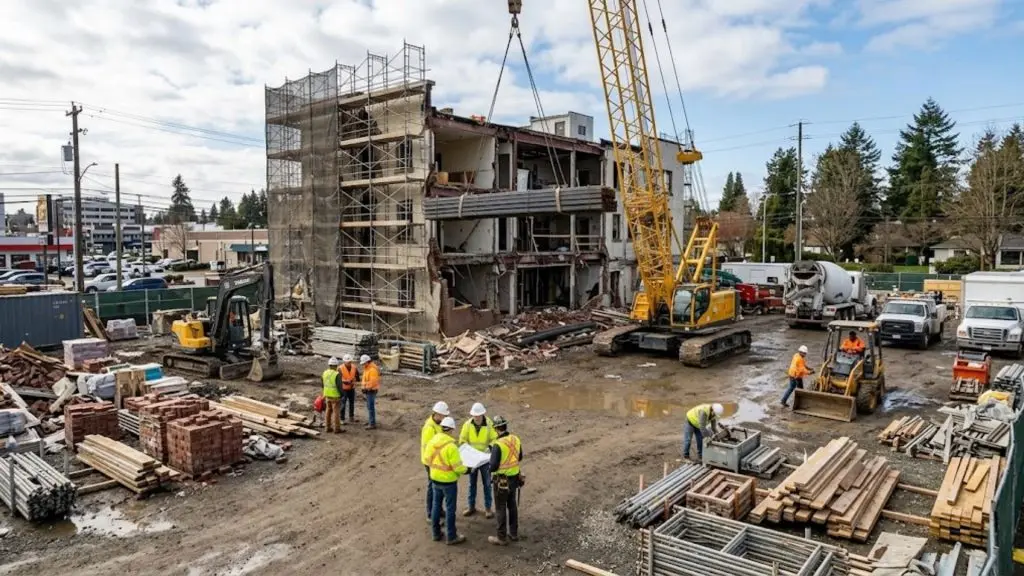
There is no single timeline that applies to every reconstruction project. A repair involving one damaged room can run from a few days to a couple of weeks, while a project involving structural framing, multiple rooms, or extensive fire damage can take several months.
The scope of the original damage, the availability of materials, permitting requirements, and whether additional damage is discovered once walls are opened up all affect how long a project runs. Parowan’s seasonal weather can also play a role, since exterior reconstruction work is easier to schedule and complete outside of winter conditions.
Reconstruction projects typically run alongside an open insurance claim, which makes documentation an ongoing part of the work rather than a one-time step. That generally includes damage documentation, repair estimates, a written reconstruction scope, and communication with the adjuster as the project moves forward. If additional damage is discovered once demolition begins, which happens more often than property owners expect, the scope and estimate get updated and that information is shared with the insurance company so the claim reflects the actual work being done.
Parowan sits in Iron County, where frozen pipes, heavy seasonal rain, wind, wildfire smoke, and hail each create a different path to property damage. A frozen pipe that bursts behind a wall can soak framing and insulation before anyone notices a leak. A hailstorm that cracks roofing can let water in gradually over weeks rather than all at once.
In both cases, by the time the damage is identified, it often extends past what surface-level repairs can address, which is why reconstruction, not just patchwork, ends up being the right scope for many Parowan water and fire damage claims.
Mitigation stops active damage, such as extracting water or securing a fire-damaged structure. Reconstruction rebuilds what was removed or destroyed, from framing and drywall to flooring and finishes, once the property is stable.
It depends on scope. A single room with drywall and flooring repairs might take one to two weeks, while structural damage affecting multiple areas can extend into months, especially once permitting and material lead times are factored in.
Reconstruction typically starts once the property has been assessed, unsalvageable materials removed, and a repair scope agreed upon. Starting reconstruction before that assessment is complete risks rebuilding over an area that still needs further work.
That depends on the policy and the cause of damage. A detailed reconstruction scope and documentation support the claims process, but coverage amounts and limits are determined by the insurance provider based on the policy in place.
Many projects involving structural repairs, electrical work, or significant drywall replacement require permits and must meet current building code. This is coordinated as part of the planning stage before work begins.
Reconstruction is the stage where a damaged property stops being a problem to manage and starts becoming livable again. It takes longer than mitigation, involves more trades, and usually runs alongside an active insurance claim, but skipping steps in the process, especially the structural assessment, tends to cause more disruption later.
If your Parowan property needs reconstruction after water or fire damage, our team at Ally1 Disaster Solutions can walk you through the assessment, scope, and rebuild from start to finish, and help keep the documentation in order for your insurance claim along the way.