Finding unexpected dark spots on your drywall or noticing a persistent, earthy smell in your basement can be deeply unsettling for any homeowner. If you suspect your property is compromised, understanding the specific indicators that necessitate mold remediation in Cedar City is the first step toward restoring a healthy living environment. Cedar City’s unique high-desert climate, characterized by dry air punctuated by intense monsoon rains and heavy winter snowmelt, creates specific moisture traps in crawl spaces and attics that often go unnoticed. Recognizing these signs early prevents structural decay and safeguards your family from the respiratory irritants associated with indoor fungal growth.
How can you tell if you have a mold problem?
You can tell you have a mold problem if you see visible discoloration on surfaces, smell a persistent musty odor, or experience unexplained allergy-like symptoms when indoors. While some mold is obvious, such as black or green fuzzy patches in a bathroom, other signs are more subtle, including bubbling wallpaper, warped floorboards, or dark “soot” marks around HVAC vents. Because our local Iron County weather includes rapid temperature shifts, condensation often forms inside wall cavities, meaning the most significant damage might be happening where you cannot see it.
The presence of standing water or historical flooding is also a primary indicator. If your home near the Leigh Hill area or the South Mountain neighborhoods has recently experienced a pipe burst or roof leak during a heavy Utah snowstorm, the likelihood of fungal colonization increases significantly within 24 to 48 hours. Identifying the source of moisture is just as important as identifying the mold itself, as remediation cannot be successful without permanent moisture control.
When should you seek mold remediation in Cedar City?
You should seek professional mold remediation in Cedar City the moment you identify a colony larger than ten square feet or if you notice recurring moisture issues that you cannot easily resolve. Professional intervention is also necessary if the mold is located within your HVAC system or if occupants of the building are experiencing chronic health issues like asthma or persistent coughing. In the 84720 and 84721 zip codes, our localized humidity spikes during the summer monsoon season can accelerate growth in areas like cold storage rooms or unfinished basements near Main Street.
Prompt action is essential because mold consumes organic building materials like paper-faced drywall, wooden studs, and carpet padding. Delaying professional help often leads to more expensive structural repairs and a more complex decontamination process. If you are unsure of the extent of the growth, scheduling a professional consultation with a specialist can provide the clarity needed to determine the appropriate level of response for your specific property.
Visible Indicators of Growth
Visible mold is the most direct sign that remediation is required. It rarely appears as just a stain; it typically has a texture that can be fuzzy, slimy, or powdery.
- Discolored Walls: Look for patches of black, gray, or olive green on drywall or wood.
- Velvety Textures: Fungal colonies often have a distinct depth or “furry” appearance.
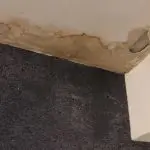
- Water Stains: Yellowish or brown rings on ceilings often hide mold on the reverse side of the board.
- Dark Grout Lines: While some staining is normal, thick black buildup in shower grout that returns quickly after cleaning indicates a deep-seated issue.
Sensory and Health Signals
Sometimes your nose or your body will detect a problem before your eyes do. This is especially common in homes with finished basements or heavy insulation that masks visual growth.
- The “Musty” Smell: A damp, earthy odor that persists even after cleaning and ventilating the room.
- Respiratory Irritation: Sneezing, watery eyes, or skin rashes that improve when you leave the house.
- Increased Asthma Attacks: Mold spores are significant triggers for those with existing respiratory conditions.
- Frequent Headaches: Some individuals react to microbial volatile organic compounds (mVOCs) released during the mold’s growth cycle.
Identifying the Risk of Mold Damage
Understanding the signs of mold damage involves looking past the fungus itself to the destruction it leaves behind. When mold takes hold in a Cedar City home, it secretes enzymes that break down the cellulose in wood and paper products. Over time, this weakens the structural integrity of your home. If you notice that your baseboards feel soft to the touch or that your drywall is crumbling when lightly pressed, you are likely dealing with advanced degradation.
Local properties near the Southern Utah University campus, particularly older historic homes, often have lath and plaster walls that can trap moisture for long periods. In these structures, mold damage might manifest as a “bubbling” effect on the paint or a chalky residue on the surface. If you suspect your property has been compromised, reaching out to experts for a formal assessment is the best way to prevent further loss of property value.
| Factor | Low Risk Situation | High Risk (Requires Remediation) |
| Size of Growth | Less than 10 square feet | Greater than 10 square feet |
| Moisture Source | Minor surface condensation | Major leak or flooding |
| Location | Exposed bathroom tile | Inside walls or HVAC ducts |
| Material Affected | Non-porous (metal/glass) | Porous (drywall/wood/carpet) |
| Health Impact | No symptoms reported | Chronic allergies or respiratory distress |
The Importance of a Professional Mold Inspection in Cedar City
A professional mold inspection in Cedar City is a critical diagnostic step that uses specialized tools like thermal imaging cameras and moisture meters to find hidden water pockets. While DIY test kits are available at local hardware stores, they are often unreliable because they only tell you that spores are present, which is true of almost every indoor environment, rather than identifying the concentration or the source. A professional inspector will take air samples and surface swabs to compare indoor spore counts with outdoor baseline levels.
For residents living near the Canyon Park or Coal Creek areas, high groundwater levels can lead to “wicking” in foundation walls. An expert inspector knows exactly where to look for these patterns. If you find yourself worried about hidden threats, a quick contact us inquiry can help you set up a formal evaluation to ensure your home’s air quality is within safe parameters.
Tools Used in Professional Inspections
- Infrared Cameras: These detect temperature differences in walls, highlighting cold spots where moisture is likely hiding.
- Moisture Meters: Probes that measure the exact moisture content of wood and drywall.
- Borescopes: Small cameras inserted into tiny holes in the wall to view the interior of the cavity.
- Air Samplers: Devices that pull a specific volume of air through a filter to count spores per cubic meter.
Common Causes of Mold in Iron County Homes
While Cedar City is generally dry, mold thrives in localized microclimates within your home. Understanding these causes helps in preventing future outbreaks.
- Improper Attic Ventilation: When hot air from the home meets the cold roof in winter, condensation forms on the underside of the roof deck.
- Poorly Managed Snowmelt: If snow accumulates against the foundation and melts rapidly, it can seep into crawl spaces.
- Evaporative Cooler Leaks: “Swamp coolers” are common in Southern Utah and can introduce excessive humidity or leak directly into the roof structure.
- Unsealed Crawl Spaces: Bare dirt floors in crawl spaces release moisture continuously, which then rises into the subfloor.
Benefits of Professional Mold Removal Services
Utilizing professional mold removal services ensures that the fungus is not only removed but that the spores are contained during the process. One of the biggest mistakes homeowners make is attempting to scrub mold away with bleach, which often just adds more water to the porous material and sends millions of spores airborne. Professionals use HEPA (High-Efficiency Particulate Air) filtration and negative air pressure to ensure that the rest of your home remains uncontaminated during the cleanup.
Furthermore, professional teams follow ICRC S520 standards, which include the physical removal of contaminated materials and the use of antimicrobial sealants. This comprehensive approach is much more effective than surface cleaning. If you are ready to address an ongoing issue, you can consult with a specialized team to learn more about the specific containment protocols used to protect your property during the remediation phase.
What the Remediation Process Includes
- Containment: Using plastic sheeting and air scrubbers to isolate the work area.
- Removal: Carefully cutting out and bagging contaminated drywall or insulation.
- Cleaning: Using HEPA vacuums and damp wiping with specialized detergents.
- Drying: Utilizing industrial dehumidifiers to bring the area to a dry standard.
- Post-Verification: Re-testing the air to ensure the cleanup was successful.
How to Prevent Mold After Remediation
Once your home has been cleared, prevention becomes a matter of moisture management. In Cedar City, this often means checking your rain gutters after the heavy autumn leaves fall to ensure water is being diverted away from the foundation. It also means monitoring your indoor humidity during the winter months when we tend to keep windows closed and moisture from cooking or showering can build up.
- Use Exhaust Fans: Always run the fan during and 20 minutes after a shower.
- Monitor Humidity: Keep indoor humidity levels between 30% and 50%.
- Fix Leaks Fast: Address even small drips under sinks immediately.
- Slope the Grade: Ensure the ground around your home slopes away from the foundation to prevent pooling.
Frequently Asked Questions
Can I just use bleach to kill mold on drywall?
No, bleach is not recommended for mold on porous surfaces like drywall. While it may remove the color on the surface, the water in the bleach soaks into the material and feeds the roots (hyphae) of the mold, often leading to it returning stronger within weeks. Professional remediation involves physical removal of the material or specialized antimicrobial treatments.
How much does mold remediation in Cedar City typically cost?
The cost of remediation varies widely depending on the size of the affected area and the accessibility of the growth. A small bathroom closet may cost a few hundred dollars, while a full crawl space or attic remediation can cost several thousand. Getting a professional estimate is the only way to get an accurate figure for your specific situation.
Is black mold the only type I should worry about?
While “toxic black mold” (Stachybotrys chartarum) gets the most media attention, any mold growing indoors in high concentrations can cause respiratory issues and structural damage. The color of the mold does not necessarily indicate its danger level; any indoor fungal growth should be addressed promptly regardless of whether it is black, green, or white.
Does homeowners insurance cover mold removal?
Coverage depends on your specific policy and the cause of the mold. Generally, if the mold is a result of a “sudden and accidental” event like a pipe burst, it may be covered. However, mold caused by long-term neglect, poor maintenance, or flooding (which requires separate flood insurance) is typically excluded.
How long does the remediation process take?
Most residential mold remediation projects in Cedar City take between three to five days. This includes the setup of containment, the physical removal of materials, the cleaning process, and the necessary drying time to ensure the environment no longer supports fungal growth.
Professional Solutions for Iron County Homeowners
Protecting your home from the silent threat of fungal growth requires vigilance and a basic understanding of the signs of mold damage. Whether you are dealing with a damp basement in the older parts of town or a roof leak in a newer development near the hills, addressing the issue quickly is the key to maintaining a safe home. By recognizing odors, visible spots, and health symptoms early, you can mitigate the need for extensive structural repairs and ensure your indoor air quality remains high for years to come.
When you need a partner to help navigate these challenges, Ally1 DS stands as a trusted local service provider in Southern Utah. We are committed to offering a direct solution to the problems discussed in this guide, providing thorough inspections and effective treatments tailored to our unique high-desert environment. If you suspect your property is at risk, choosing an experienced professional is the most reliable way to restore your peace of mind and the health of your home. For expert assistance with mold remediation in Cedar City, trust the local specialists who understand the specific needs of Iron County homeowners.