Homeowners in Southern Utah face unique challenges when flooding, burst pipes, or unseasonable storms strike their properties. Water Damage Restoration in Southern Utah must begin the moment water infiltration occurs to prevent structural compromise, mold growth, and health risks. Understanding the full scope—from initial assessment to final repairs—empowers residents to protect their investment and maintain a safe living environment.
When Should Water Damage Restoration Be Done in Southern Utah?
Water Damage Restoration in Southern Utah needs to start immediately after any sign of water intrusion. Delaying water removal allows moisture to seep into walls, subfloors, and insulation, leading to more extensive repairs. Rapid intervention minimizes drying time, reduces mold proliferation, and limits damage to framing and electrical components.
Insurance policies often require documented mitigation efforts within 24 to 48 hours of the incident. Homeowners who wait risk denied claims or partial coverage. By engaging professionals at the first sign of water after heavy rainfall or plumbing failure, families can streamline the claims process and restore habitability faster.
Why Is Prompt Emergency Response Critical After a Flood or Leak?
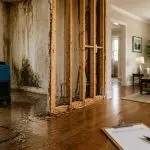
Southern Utah’s arid climate may mislead residents into underestimating water damage risks. When moisture contacts dry, porous materials like drywall and wood studs, rapid swelling and delamination can occur. Prompt emergency response safeguards structural integrity and curtails hidden damage behind walls.
Mold spores can colonize damp surfaces within 24–48 hours. Early intervention with advanced drying and anti-microbial treatments prevents widespread mold remediation later. Proactive water damage cleanup tips emphasize speed: extracting water, monitoring humidity, and applying targeted drying techniques.
Emergency Response and Assessment
Upon arrival, certified technicians conduct a thorough inspection using moisture meters and thermal imaging cameras. They identify water migration paths, saturation levels in carpets and walls, and damage classification—ranging from clean water (Category 1) to highly contaminated floodwater (Category 3). This data guides the remedial plan.
Coordination with local authorities and utility providers ensures electrical systems are de-energized before work begins. Safety protocols include shutting off gas valves and verifying structural stability. This meticulous assessment prevents secondary issues such as electrical shorts or compromised load-bearing elements.
Water Extraction and Removal
Professional teams deploy submersible pumps and industrial wet/dry vacuums to remove standing water rapidly. Weighted extractors apply hydraulic pressure to carpets, forcing moisture into recovery tanks. This equipment outperforms typical household vacuums in both speed and volume capacity.
In basements and crawl spaces, technicians may install portable sump pumps to continuously evacuate water through discharge hoses. Rapid extraction curbs saturation depth, reducing the time needed for subsequent drying and dehumidification phases.
Drying and Dehumidification
Applied structural drying employs high-capacity air movers working in tandem with dehumidifiers. These machines lower indoor humidity to optimal ranges (30–50% relative humidity) and force air circulation across wet surfaces. Placement maps and monitoring logs track progress hourly.
Air movers accelerate evaporation, while refrigerant or desiccant dehumidifiers condense and remove vapor. Technicians use portable hygrometers to validate moisture reduction, ensuring building materials reach equilibrium before repairs begin.
Cleaning, Sanitizing, and Mold Prevention
After drying, surfaces receive professional-grade antimicrobials that comply with EPA guidelines. Sanitization eliminates bacteria and discourages future microbial growth. Porous materials—like carpet pads—often require removal and replacement to fully eradicate mold spores.
Surfaces are scrubbed, HEPA-vacuumed, and sealed if needed. Permanent repairs incorporate mold-resistant drywall, rust-proof framing components, and improved ventilation. This comprehensive approach meets or exceeds IICRC standards, protecting health and property value.
How Does the Unique Climate of Southern Utah Affect Restoration?
Southern Utah’s four-season climate concentrates risks during winter freeze-thaw cycles and summer monsoons. Winter’s subfreezing temperatures can rupture uninsulated pipes, while spring’s snowmelt may inundate foundations. Understanding these patterns helps homeowners anticipate vulnerabilities.
The region’s low ambient humidity can accelerate material drying but also intensify moisture wicking in extremely dry conditions. Building materials can react differently compared to more humid climates, making targeted drying strategies essential for balanced restoration.
Seasonal Challenges
Monsoon storms in late summer can overwhelm surface drainage, channeling water into crawl spaces and foundations. Roof runoff during sudden downpours tests gutter capacity, leading to seepage at wall bases.
Dry Climate and Material Response
In Southern Utah’s desert environment, wood, drywall, and insulation boast lower moisture tolerance. When saturated, these materials warp and swell faster than in more humid locales, underscoring the need for swift professional intervention.
What Equipment and Techniques Are Used in Professional Restoration?
Advanced restoration teams bring specialized tools such as infrared cameras for concealed moisture detection, pneumatic floor drying systems for under-floor water removal, and ozone generators to neutralize stubborn odors. These methods exceed DIY capabilities, delivering thorough remediation.
Technicians adhere to IICRC S500 standards, using documented drying curves and moisture content readings to validate results. This structured protocol ensures that each project meets industry benchmarks for safety and effectiveness.
What Are the Common Signs of Water Damage in Southern Utah Homes?
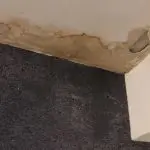
Homeowners should monitor for slow drips or pooling near baseboards, warped floorboards, and musty odors indicating hidden moisture. Visible mold spots—often black or green—in corners or behind appliances also signal underlying water issues.
Other signs of water damage include blistering paint, peeling wallpaper, and reduced insulation performance. Recognizing these early signs of water damage allows for faster resolutions and lowers overall restoration costs.
Understanding Water Damage Categories
Water intrusion is categorized to determine necessary cleanup protocols.
- Category 1 (Clean Water): From supply lines, rainwater, or appliance overflows without contamination.
- Category 2 (Gray Water): Contains some contaminants (e.g., dishwasher or washing machine discharge).
- Category 3 (Black Water): Highly unsanitary (e.g., sewage backup, floodwaters from rivers).
Each category influences drying techniques, safety precautions, and disposal methods. Proper classification ensures the right protective gear and sanitizing agents are used.
Cost Factors in Water Damage Restoration
Restoration expenses hinge on factors such as the affected square footage, water category, and drying time. Category 3 events generally incur higher costs due to hazardous disposal requirements and additional sanitization.
Materials replacement—drywall, insulation, flooring—and specialized equipment rental (dehumidifiers, air movers) also impact budgets. Insurance coverage through the National Flood Insurance Program or private policies often defrays these expenses when proper documentation and mitigation timelines are met.
How Can Homeowners Prevent Water Damage Before It Occurs?
Routine maintenance is key. Inspect and replace worn roof shingles, clear gutters, and ensure downspouts direct water at least five feet from the foundation. Winterize exposed pipes by applying foam insulation and keeping garage doors closed.
Installing backflow valves on sewer lines, maintaining functional sump pumps, and scheduling annual inspections by licensed plumbers drastically reduce disaster risks. Landscape grading that slopes away from the home further prevents pooling near the foundation.
What Insurance Coverage Should Homeowners Understand?
Most standard homeowner policies cover sudden, accidental water damage—such as a burst pipe—but not gradual seepage or flood events. Separate flood insurance may be required in designated flood zones under FEMA regulations.
Documenting every mitigation step, retaining receipts for professional services, and filing claims promptly (within insurer deadlines) strengthens coverage outcomes. Consulting an agent about policy limits, deductibles, and exclusions helps set realistic restoration budgets.
How to Choose a Reliable Restoration Company
Opt for firms with IICRC accreditation, bonding, and insurance liability coverage. Verify 24/7 emergency availability and ask about guaranteed response times. Customer reviews and success stories in communities like St. George, Cedar City, and Kanab reflect track records.
Homeowners should request detailed work scopes, including moisture mapping, equipment placement plans, and final clearance reports. Transparent communication ensures expectations are met and surprises are avoided.
Comparison of Restoration Equipment
| Equipment | Purpose | Typical Rental Duration |
|---|---|---|
| Submersible Pump | Removes standing water rapidly | 1–3 days |
| High-Capacity Air Mover | Circulates air to accelerate evaporation | 3–7 days |
| Refrigerant Dehumidifier | Condenses and removes ambient moisture | 5–10 days |
| Thermal Imaging Camera | Detects hidden moisture behind surfaces | 1–2 days |
| Moisture Meter | Monitors material moisture content levels | Throughout project |
Benefits of Professional Restoration Versus DIY
Professionals deliver rapid water extraction rates and validated drying protocols, lowering mold risk and structural damage. Certified technicians use industrial-grade equipment unattainable to most homeowners.
DIY attempts often miss hidden moisture pockets and fail to meet industry-standard drying curves. This oversight invites secondary damage, leading to higher replacement costs and potential health hazards from lingering mold spores.
Ensuring Timely Water Damage Restoration
Rapid coordination among insurers, restoration professionals, and homeowners prevents costly delays. Strategic response plans prioritize high-risk areas first—foundations, load-bearing walls, HVAC components—to maintain building integrity.
Homeowners should keep emergency contact lists handy and understand local disaster relief resources, such as American Red Cross shelters and FEMA assistance, when widespread floods occur.
Contact and Next Steps
For expert guidance on flood mitigation, drying strategies, and complete home restoration Southern Utah residents can Contact us 24/7. Our team responds swiftly to site calls in Washington, Iron, and Beaver Counties, delivering proven methods and compassionate service.
Conclusion
By understanding each phase—from immediate water extraction to final repairs—homeowners can navigate the complexities of Water Damage Restoration in Southern Utah with confidence. Early action, professional expertise, and proper insurance coordination form the foundation of a successful recovery. When disaster strikes, trust the experience and dedication of Ally 1 Disaster Solutions to restore safety, comfort, and property value to every Southern Utah home.
Frequently Asked Questions
- When should water damage restoration begin after an incident?
Restoration should start within 24 hours of water intrusion to inhibit mold growth, structural swelling, and electrical hazards. Immediate mitigation influences both repair scope and insurance coverage outcomes.
- How much does water damage restoration cost in Southern Utah?
Costs vary based on water category, affected area, and required equipment rental. Typical residential jobs range from $1,500 to $7,000, with higher-end scenarios involving black water or extensive structural repairs.
- Can homeowners perform water damage cleanup themselves?
Minor cleanups may be feasible with personal wet vacuums and fans. However, hidden moisture behind walls often requires thermal imaging and professional-grade dehumidifiers for complete restoration and mold prevention.
- What health risks are associated with mold growth after water damage?
Untreated mold can trigger allergies, respiratory infections, and asthma exacerbations. Mycotoxins released by certain molds may pose serious neurological risks. Certified remediation is essential for safe indoor air quality.
- How do I choose a reputable restoration company in Southern Utah?
Verify IICRC certification, 24/7 emergency capabilities, positive local reviews, and transparent pricing. Request detailed project plans and moisture documentation to ensure accountability and quality outcomes.