Mold rarely announces itself. It usually begins as a faint musty smell, a small gray smudge in the corner of a shower, or a soft patch behind a cabinet that no one notices for weeks. Because the early signs feel minor, many homeowners decide to deal with it later. The problem is that mold never waits. Once it finds moisture, it keeps growing, spreading, and digging deeper into the materials that hold your home together.
What starts as a coin sized spot can turn into widespread contamination across walls, flooring, and ductwork. Left alone for months, mold puts your health, your property, and your finances at serious risk.
At Ally1 Disaster Solutions, our certified team has seen how quickly a small issue becomes a major one across Cedar City and Southern Utah, which is why prompt mold remediation is one of the smartest decisions a homeowner can make.
What Causes Mold to Grow Indoors?
Moisture Is the Main Trigger
Mold has one essential requirement, and that is moisture. Spores float through the air in nearly every building, but they only take hold when they land on a damp surface. The most common moisture sources include water leaks that drip slowly behind walls, flooding from storms or appliance failures, and high indoor humidity that keeps surfaces clammy.
Poor ventilation traps that damp air and gives spores the time they need to settle and multiply. Roof and plumbing leaks are especially troublesome because the water often hides out of sight until the damage is already advanced.
Common Areas Where Mold Develops
Mold gravitates toward the parts of a home that stay wet or humid. The most common locations include:
- Bathrooms – Constant steam, splashing water, and high humidity make bathrooms one of the most common places for mold growth.
- Kitchens – Leaks from sinks, dishwashers, refrigerator water lines, and frequent moisture create favorable conditions for mold.
- Basements and Crawl Spaces – These areas often remain cool, damp, and poorly ventilated, making them ideal environments for mold year-round.
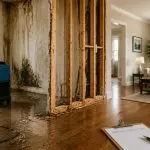
- Behind Drywall and Under Flooring – Hidden leaks can trap moisture inside walls and beneath flooring, allowing mold to spread unnoticed.
- HVAC Systems – Condensation inside ducts and air conditioning components can support mold growth, while the system may circulate spores throughout the home.
Because mold often develops in hidden areas, homeowners may not realize there is a problem until it has already spread. Routine inspections and prompt attention to water issues are essential for preventing extensive mold damage.
How Mold Spreads Over Time
The First Few Days
In the first 24 to 48 hours after a surface becomes damp, spores settle and begin to germinate. This is the window where the situation is still easy to control. At this stage you may notice nothing more than a slightly musty odor or a small discoloration that looks like dirt.
After Several Weeks
Within a few weeks, individual colonies grow larger and start releasing spores into the air. Those airborne spores drift to new areas and create fresh colonies, which is how a single damp wall becomes a whole room problem. Hidden mold often develops behind walls and under floors during this period, growing quietly while the visible signs remain small.
After Several Months
After several months of neglect, the contamination becomes extensive. Mold feeds on the cellulose in drywall, wood, and insulation, weakening these materials and causing structural damage. By this point, remediation is far more difficult and expensive because so much of the home is affected. What could have been a quick cleanup now requires demolition, rebuilding, and careful containment.
Health Problems Caused by Long Term Mold Exposure
Mold is not only a building problem—it is also a serious health concern that becomes more severe the longer exposure continues. Common health effects include:
| Health Risk | Common Symptoms | Who Is Most at Risk? |
| Respiratory Problems | Coughing, wheezing, congestion, sore throat | People with existing respiratory conditions |
| Allergic Reactions | Sneezing, itchy or watery eyes, skin rashes, headaches | Individuals with mold allergies |
| Asthma Flare-Ups | Increased asthma attacks, difficulty breathing | Children and adults with asthma |
| Weakened Immune Response | Greater susceptibility to infections and prolonged symptoms | Seniors and immunocompromised individuals |
Even if symptoms seem mild at first, continued exposure to mold can worsen health issues over time. Because mold spores travel through the air, they can affect everyone in the household, even if the visible mold is confined to one area. Prompt mold remediation helps improve indoor air quality and reduces the risk of long-term health problems.
How Mold Damages Your Home
Beyond health concerns, mold steadily weakens the structure of your property. The longer it remains untreated, the more extensive and expensive the damage can become.
- Drywall Deterioration – Mold breaks down the paper facing and gypsum core of drywall, causing it to become soft, brittle, and prone to crumbling.
- Wood Rot – Moisture and mold can damage framing, subfloors, and wood trim, reducing their strength and compromising the home’s structural integrity.
- Flooring Damage – Hardwood, laminate, and other flooring materials may warp, stain, buckle, or lift as mold spreads beneath the surface.
- Ceiling Damage – Roof or plumbing leaks can allow mold to grow above ceilings, leading to discoloration, weakened materials, and eventually sagging or collapse if left untreated.
- HVAC Contamination – Mold inside heating and cooling systems can circulate spores throughout the home, spreading contamination to previously unaffected areas.
- Persistent Musty Odors – Mold odors can penetrate carpets, upholstered furniture, drywall, and other porous materials, leaving behind a stale smell that ordinary cleaning products cannot eliminate.
Financial Consequences of Delaying Mold Removal
Waiting almost always costs more. A small remediation job handled early is a fraction of the price of treating contamination that has spread through multiple rooms.
The longer mold grows, the larger the remediation costs and the more extensive the repairs become, since damaged drywall, insulation, and flooring must be replaced rather than simply cleaned.
- Higher Remediation Costs – Early mold removal is typically far less expensive than treating contamination that has spread throughout multiple rooms.
- More Extensive Repairs – As mold worsens, materials such as drywall, insulation, flooring, and wood framing often become too damaged to clean and must be replaced.
- Reduced Property Value – A history of mold can lower your home’s market value and make it less appealing to potential buyers.
- Delayed or Complicated Home Sales – Mold is a significant concern during inspections and may delay closing, require additional negotiations, or even cause buyers to walk away.
- Insurance Coverage Limitations – While some insurance policies cover sudden water damage, many exclude mold caused by long-term leaks or neglected maintenance, leaving homeowners responsible for the full cost of repairs.
Taking action at the first signs of mold helps minimize repair costs, protect your property’s value, and reduce the risk of unexpected financial burdens.
Warning Signs You Should Never Ignore
Your home often provides early warning signs before mold becomes a serious problem. Watch for these common indicators:
- Persistent Musty Odor – A lingering earthy or damp smell is often one of the first signs of hidden mold growth.
- Visible Mold or Discoloration – Green, black, gray, or white spots on walls, ceilings, floors, or other surfaces may indicate active mold colonies.
- Peeling or Bubbling Paint – Paint or wallpaper that bubbles, cracks, or peels without an obvious cause can signal excess moisture behind the surface.
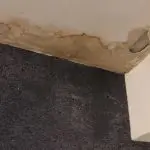
- Water Stains – Brown, yellow, or dark stains on walls and ceilings often point to leaks or moisture issues that encourage mold growth.
- Warped or Buckling Materials – Flooring, drywall, or wood that swells, warps, or buckles may be hiding mold caused by trapped moisture.
- Increased Allergy or Respiratory Symptoms – If coughing, sneezing, congestion, itchy eyes, or headaches worsen while you’re at home and improve when you leave, airborne mold spores could be the cause.
- High Indoor Humidity – Consistently elevated humidity levels, condensation on windows, or damp indoor air create the ideal environment for mold to develop and spread.
Recognizing these warning signs early and addressing the underlying moisture problem can help prevent extensive mold damage and reduce the cost of remediation.
Why Professional Mold Remediation Is Better Than DIY
A bottle of household cleaner can wipe away surface mold, but it cannot solve the underlying problem. Professional remediation begins with a proper inspection and moisture detection to find every affected area, including the hidden ones. Trained technicians use containment to seal off work zones so spores do not spread during removal. HEPA filtration captures airborne particles, and safe removal techniques protect both the workers and your family.
Most importantly, professionals address the moisture source and apply prevention strategies so the mold does not simply return.
At Ally1 Disaster Solutions, our IICRC certified team brings the right equipment and experience to handle these steps thoroughly, giving Southern Utah homeowners lasting peace of mind rather than a temporary fix.
Preventing Future Mold Problems
The best defense against mold is a dry home. Fix leaks quickly the moment you notice them, since even a slow drip provides all the moisture mold needs. Keep indoor humidity below 50 percent and improve ventilation in bathrooms, kitchens, and laundry areas where damp air builds up.
Schedule regular inspections of plumbing, roofing, and HVAC systems so small issues are caught early. In naturally damp spaces like basements, dehumidifiers make a real difference by keeping the air dry and unfriendly to spores.
Frequently Asked Questions
Can mold spread through an entire house?
Yes. Mold releases spores into the air, and those spores travel easily through HVAC systems, open doorways, and air currents. A colony that begins in one bathroom can seed new growth in distant rooms, especially when ductwork is involved. This is why containment is such an important part of professional remediation.
How quickly does mold become dangerous?
Mold can begin growing within 24 to 48 hours of a surface becoming damp. It does not take long for spore counts to rise to levels that affect indoor air quality, particularly for children, seniors, and anyone with respiratory conditions. The longer it goes untreated, the greater the health and structural risks.
Can mold damage a home’s structure?
It can. Mold feeds on the cellulose in wood, drywall, and insulation, gradually weakening framing, subfloors, and walls. Over months, this can lead to wood rot, sagging ceilings, and compromised structural integrity that requires significant rebuilding to correct.
Is painting over mold effective?
No. Painting over mold only hides it for a short time. The colony continues to grow beneath the paint, which eventually peels or bubbles as the surface stays damp. Proper remediation removes the mold and addresses the moisture source before any repainting takes place.
Does homeowners insurance cover mold?
It depends on the cause. Many policies cover mold that results from a sudden, accidental event such as a burst pipe, but they often exclude damage caused by long term leaks or neglected maintenance. Documenting the issue and acting quickly improves your chances of a successful claim, and our team can help you navigate the process.
Take Action Before the Damage Gets Worse
Ignoring mold does not make it go away. It simply gives the problem more time to spread, damage your home, and put your family’s health at risk all while increasing the eventual cost of repairs. What may begin as a small patch of mold that could have been cleaned quickly can turn into a months-long restoration project if left untreated.
If you notice a musty odor, visible mold growth, water stains, or other signs of hidden moisture in your Cedar City or Southern Utah home, schedule a professional inspection as soon as possible. Ally1 Disaster Solutions is available 24/7 to assess the damage, contain the mold, and restore a safe, healthy living environment. Call today to stop mold before a small problem becomes a costly restoration project.