Discovering a pool of water in your living room or a damp, sagging ceiling is enough to send any homeowner into a state of high anxiety. In the unique climate of Southern Utah, dealing with water damage st george ut requires a swift and calculated response to prevent the desert heat from turning a simple leak into a major mold infestation. Whether it is a burst pipe from a sudden freeze or a failed water heater, the first sixty minutes are critical for the long-term health of your property.
Safety must be your absolute priority before you even touch a mop or start moving furniture. If the water has reached electrical outlets or submerged power strips, do not enter the standing water as this poses a significant risk of electrocution. Your first physical action should be to locate the main water shut-off valve and the electrical breaker box to stabilize the environment.
What should I do immediately after discovering water damage?
The very first thing any homeowner should do after ensuring the site is safe is to stop the flow of water at its source. If you cannot find the specific shut-off for a leaking appliance, turning off the main water line to the entire house is the safest bet to mitigate further loss. Once the water is stopped, your focus shifts to documentation which is a vital step for any future insurance claims you might file.
Take clear, high-resolution photos and videos of every affected area, including the point of origin and any damaged personal belongings. This visual evidence acts as the foundation for your restoration journey and helps adjusters understand the full scope of the incident. It is essential to capture the “before” state of the cleanup process so that the severity of the water damage is properly recorded.
After documentation is complete, you should begin the process of moving salvageable items to a dry area. Upholstered furniture, area rugs, and electronics are highly susceptible to secondary damage if left in a damp environment for even a few hours. Keeping a detailed local restoration checklist can help you stay organized during this chaotic period, ensuring that nothing important is overlooked while you wait for professional help.
Implementing Emergency Water Extraction in St. George
Standing water is a ticking time bomb for your home’s structural integrity and your family’s health. Professional emergency water extraction St. George services are designed to remove large volumes of water quickly using industrial-grade submersible pumps and high-powered vacuums. This is not a task for a standard household shop-vac, as professional equipment can pull moisture from deep within carpet padding and floorboards.
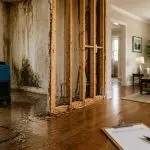
The physics of water travel means that moisture often hides in places you cannot see with the naked eye. Water can wick up drywall, seep behind baseboards, and settle into the subflooring, creating hidden pockets of humidity. Specialists use moisture meters and thermal imaging cameras to track the migration of water and ensure that the extraction process is comprehensive.
By removing the bulk of the liquid early, you significantly reduce the “drying time” required for the rest of the structure. This rapid removal is the cornerstone of effective property saving, as it prevents the wood from swelling and the drywall from losing its structural strength. Without professional extraction, the risk of permanent warping in hardwood floors increases exponentially every hour.
| Task Category | Immediate Action Item | Tool/Equipment Needed |
| Safety | Turn off electricity and gas | Main Breaker/Valve |
| Source Control | Shut off main water supply | Water Meter Key/Valve |
| Evidence | Photograph all rooms and items | Smartphone/Camera |
| Mitigation | emergency water extraction St. George | Submersible Pumps |
| Protection | Block furniture legs | Aluminum Foil/Wood Blocks |
Essential Water Damage Mitigation Steps for Longevity
Successful recovery depends on following specific water damage mitigation steps that address both the visible and invisible threats. Once the standing water is gone, the focus turns to evaporation and dehumidification. This involves setting up high-velocity air movers that create a vortex of air across wet surfaces, pulling the moisture into the air where it can be captured.
Industrial dehumidifiers are then used to extract that moisture from the atmosphere, preventing it from settling back onto dry materials. This “closed drying system” is monitored daily to ensure the environment is reaching the dry standards required for Southern Utah homes. If the humidity is not controlled, you run the risk of secondary damage like peeling paint or warped cabinetry in unaffected rooms.
During this phase, it is common to remove porous materials that cannot be effectively sanitized, such as heavily soaked insulation or certain types of carpeting. Professionals will also apply EPA-approved antimicrobial treatments to surfaces to inhibit the growth of bacteria and fungi. This step is particularly important if the water source was “gray” or “black” water, such as a washing machine overflow or a sewage backup.
Protecting Your Property from Secondary Issues
One of the biggest concerns for homeowners in the Washington County area is the development of mold. In a warm environment, mold spores can begin to colonize on organic materials like paper-faced drywall in as little as 24 to 48 hours. This is why the drying process must be aggressive and scientifically managed by technicians who understand psychrometry.
If you are currently navigating the complexities of a flooded home, you can contact us to speak with a specialist who can guide you through the next steps. Taking action now prevents the high costs associated with mold remediation later. A dry-looking surface does not always mean the structure is dry, and professional verification is the only way to be certain.
Our local climate can actually complicate the drying process because while the air is dry, the “hard water” in St. George leaves behind mineral deposits that can trap moisture in materials. These minerals, like calcium and magnesium, can interfere with the way some building materials react to water. Experienced restorers know how to handle these local environmental factors to ensure a clean finish.
Navigating Insurance and Restoration Costs
Dealing with insurance adjusters can be a daunting task during an emergency. Most homeowners’ policies in Utah cover sudden and accidental water discharges, but they often have strict requirements for “loss mitigation.” This means the policyholder is responsible for taking reasonable steps to prevent further damage after the initial event.
Documenting every conversation with your insurance company and keeping a log of all actions taken is essential. By hiring a professional service early, you demonstrate that you are fulfilling your duty to mitigate the loss. These professionals often work directly with your insurance provider, providing the technical documentation and moisture maps they need to process your claim efficiently.
It is important to remember that you have the right to choose your own restoration contractor. While insurance companies may suggest certain “preferred vendors,” you should choose a local company that understands the specific challenges of homes in the St. George area. A local expert will be more familiar with the building codes and material types common in our Southern Utah neighborhoods.
Frequently Asked Questions
How long does the water damage restoration process usually take?
The drying phase typically takes between 3 to 5 days, depending on the extent of the saturation and the materials involved. Reconstruction of drywall and flooring can take an additional week or two depending on material availability.
Can I save my carpets after a flood?
If the water was “Category 1” (clean water from a pipe), carpets can often be saved with professional extraction and drying. However, if the water was contaminated, the carpet padding must almost always be replaced for health reasons.
Why is my drywall bubbling after a leak?
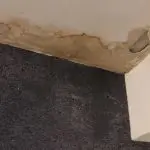
Bubbling occurs when water is trapped between the paint layer and the gypsum board. This is a sign of significant moisture intrusion and usually indicates that the drywall behind the paint is saturated and needs professional attention.
Will the smell of dampness go away on its own?
No, a musty odor is usually a sign of active mold growth or bacterial activity. The smell will only dissipate once the moisture source is removed and the area is professionally sanitized and dried.
Does home insurance cover a leaking water heater?
Most standard policies cover the damage caused by a leaking water heater, though they may not cover the cost of replacing the appliance itself. It is best to review your specific policy or speak with your agent.
Why Professional Expertise Matters for Your Home
When you are facing the aftermath of a flood, the choices you make in the first few hours will dictate the success of your recovery. Attempting to manage a large-scale water event with residential tools often leads to hidden mold and structural decay that may not appear for months. Choosing a team that combines local knowledge with industrial technology is the best way to protect your investment.
At Ally1 DS, we specialize in comprehensive water damage st george ut solutions, from the initial emergency call to the final walkthrough. Our technicians are trained to handle the unique challenges of our local environment, ensuring that your home is not just dry, but safe and restored to its pre-loss condition. We understand that this is your sanctuary, and we treat every project with the urgency and care it deserves.
If you are ready to begin the recovery process and want to ensure your property is in the best possible hands, contact us today to get immediate assistance. Let us handle the technical complexities of water mitigation while you focus on getting your life back to normal. Your peace of mind is our primary goal during every restoration project we undertake.