When fire strikes, Utah homeowners face chaos, confusion, and a wave of difficult decisions. The aftermath can feel like a blur, but the actions you take in the first few hours will shape how smoothly your recovery goes. Whether the damage is large or small, understanding how to handle fire damage restoration Utah immediately helps protect your home, health, and peace of mind.
What should Utah homeowners do first after fire damage restoration Utah?
The moment the fire department clears your property as safe, your recovery begins. It’s vital to act fast but methodically. Knowing what to do first keeps you from making costly mistakes later.
Ensure safety and property security
Check that everyone in your household is safe and accounted for. Don’t re-enter your home until it’s declared structurally sound. Fire weakens floors, walls, and roofs more than it appears. Secure broken doors and windows with boards or tarps to prevent further damage or theft.
Document all damage
Start building your Utah fire damage checklist immediately. Take photos and videos of every damaged area and item. Document structural issues, burnt furniture, and smoke-stained walls. This documentation becomes critical when filing your insurance claim later.
Notify your insurer and contact professionals
Call your insurance company to report the incident and provide initial photos. Ask for their procedure on filing claims and required documentation. Next, contact a local restoration company specializing in fire damage restoration Utah. The faster professionals can assess and stabilize your property, the less long-term damage you’ll face.
Prevent additional damage
Water and smoke are hidden enemies after a fire. Turn off utilities until cleared, and ventilate safely if permitted. Do not clean soot yourself—it spreads easily and worsens damage. Professionals use special equipment to remove it safely.
Utah fire damage checklist: Key items to cover
Here’s a structured plan every homeowner should follow after a fire:
| Phase | Key Tasks |
| First 24 hours | Ensure safety, take photos, secure the property, notify insurer, contact restoration company. |
| 1–7 days | Professional inspection, debris removal, board-up or tarp, water extraction, soot cleanup. |
| 1–4 weeks | Estimate repairs, assess structure, coordinate with insurer, start rebuilding plan. |
| 1 month+ | Reconstruction, HVAC cleaning, air quality testing, move-in readiness. |
Utah’s dry climate and fluctuating temperatures can worsen smoke and water damage quickly. Following this checklist helps you stay organized and reduces costly mistakes during emergency fire restoration Utah.
Why professional fire damage restoration matters in Utah
While it’s tempting to handle cleanup yourself, the reality is that fire restoration involves chemical, structural, and health risks. Certified professionals are equipped to manage these hazards safely and efficiently.
Hidden damage you can’t see
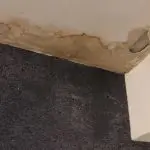
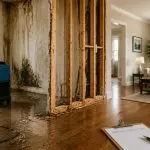
Even if walls look intact, heat can weaken their structure. Smoke particles cling to porous materials, spreading odor and toxins. Water used to extinguish the fire can trigger mold growth within 48 hours.
Professional tools and methods
Experts use HEPA vacuums, ozone generators, and moisture meters to detect invisible damage. Their training allows them to restore air quality and remove contamination that could harm your family later.
Faster recovery, fewer costs
Time is critical. The sooner restoration begins, the less severe smoke and water effects become. Acting fast also helps maintain eligibility for full insurance coverage.
Common mistakes Utah homeowners make after a fire
Avoid these errors to ensure a smoother restoration process.
Entering too soon
Never step into your home until officials confirm it’s safe. Unstable beams, hidden hot spots, and live wires can cause injury or further destruction.
Poor documentation
Missing photos, receipts, or damaged item lists can delay your insurance payout. Take time to document everything thoroughly before cleanup begins.
Choosing the cheapest contractor
Bargain-priced restoration services often skip air quality testing, smoke odor elimination, or structural review. Choose licensed specialists experienced in emergency fire restoration Utah to prevent long-term issues.
Delaying your insurance call
The earlier you report your claim, the faster your adjuster can process compensation. Waiting too long may limit your coverage.
What the restoration process looks like for Utah homeowners
A professional restoration service typically follows these phases:
Step 1 – Emergency response and assessment
Once on-site, the team secures the property, identifies unsafe areas, and creates a restoration plan.
Step 2 – Damage documentation and planning
They assess smoke, soot, and structural issues while working with your insurance adjuster to plan repairs.
Step 3 – Cleaning and decontamination
Using specialized techniques, professionals clean surfaces, remove odors, and dry out moisture to prevent mold growth.
Step 4 – Structural restoration
This stage covers repairs to drywall, floors, roofing, and electrical systems—returning your property to pre-loss condition.
Step 5 – Final inspection and move-back
Before you move in, restoration teams verify air quality, safety, and aesthetic restoration.
Specific considerations for Utah homes
Utah’s unique environment brings its own restoration challenges:
- Wildfire proximity: Homes near dry vegetation face high ember and smoke exposure.
- Air quality: The dry air allows soot particles to linger. Professionals use advanced filtration systems to neutralize them.
- Older wiring systems: Many Utah homes still contain aging electrical systems, a common cause of fires. Always request a full inspection post-restoration.
- Local compliance: Restoration teams must coordinate with Utah fire marshals and inspectors to ensure the home meets safety codes before re-entry.
Frequently Asked Questions (FAQs)
Q1: How soon should I call a fire restoration company in Utah?
Within 24 hours after the fire is extinguished. Quick response prevents smoke and water from causing deeper damage.
Q2: Can I stay in my home during restoration?
Only if safety and air quality allow it. Many homeowners choose temporary housing until major cleanup and repairs are complete.
Q3: Does insurance cover fire damage restoration Utah services?
Yes, most policies cover fire-related structural and content losses, but documentation and quick claims filing are essential.
Q4: What are the hidden dangers after a home fire?
Toxic soot, mold from water, unstable structures, and damaged wiring, all require professional assessment.
Q5: How long does full restoration take?
Minor cases take weeks, while severe structural damage can take months. A professional estimate gives a realistic timeline.
Taking the next step toward full recovery
Recovering from a home fire isn’t just about cleaning up, it’s about rebuilding security and comfort. Using the Utah fire damage checklist and contacting restoration experts quickly ensures your home is restored safely and efficiently.
To start your recovery journey, reach out through our contact page
At Ally 1 Disaster Solutions, we specialize in professional fire damage restoration Utah services—helping homeowners across Utah recover fully, safely, and confidently