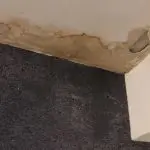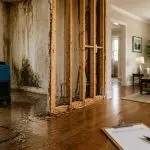
Discovering mold inside your Saint George home can be unsettling, especially when you’re unsure whether it’s a simple cleanup or a serious issue requiring expert help. Indoor mold spreads quickly, compromises air quality, and affects structural materials, making it essential to know when the problem has crossed the threshold requiring mold remediation saint george ut. Understanding the difference between minor mold growth and a situation that needs professional intervention helps protect your home, health, and long-term safety.
What signs indicate indoor mold requires professional remediation?
One of the most important questions homeowners ask is when mold problems become too severe for DIY cleanup. Professional remediation becomes necessary when mold spreads beyond surface-level contamination, hides in structural areas, causes repeat outbreaks, or contributes to indoor air quality issues. Once you recognize these indicators during a mold remediation saint george ut assessment, it becomes clear that expert help is necessary. Many homeowners in Saint George deal with mold that forms due to moisture spikes, plumbing leaks, or hidden condensation pockets.
Visible mold expanding beyond small areas
Small, isolated mold spots may not require professional help, but larger patches—especially those exceeding roughly 10 square feet are considered beyond safe homeowner cleaning. Growth that spreads across walls, ceilings, subfloors, or multiple rooms signals a deeper problem requiring trained remediation.
Mold hidden behind walls, under floors, or inside attics
When mold isn’t directly visible, you need specialized inspection tools and trained professionals to identify and remove it. Mold inside HVAC systems, insulation, or crawlspaces requires controlled containment and safe removal methods.
Recurring mold after previous cleaning
If mold returns repeatedly, the underlying moisture source has not been resolved. When this happens, professional remediation is essential to address moisture mapping, structural drying, and long-term prevention strategies. Homes with recurring mold often need tailored solutions from local specialists.
Health symptoms linked to indoor mold
Unexplained respiratory symptoms, headaches, allergies, and irritation often worsen when mold is present indoors. If symptoms improve after leaving the home, professional inspection should be the next step.
Mold caused by flooding or major water events
Mold triggered by flooding, sewage backups, appliance failures, or prolonged leaks requires expert remediation. Contaminated water significantly increases health risks and strengthens the need for advanced cleaning, structural removal, and disinfecting procedures.
Why do Saint George, UT homes require special attention for mold remediation?
Saint George homes face unique environmental and seasonal conditions that affect how mold grows and spreads. Even though the region is known for its dry climate, indoor environments often trap humidity. Bathrooms, laundry rooms, kitchens, basements, and crawlspaces experience moisture fluctuations that lead to mold issues. Desert homes may also lack adequate ventilation in specific areas, leading to condensation and mold growth behind surfaces.
Temperature and humidity variations
Sudden shifts in temperature, monsoon moisture, and indoor humidity spikes create prime conditions for mold development. Mold thrives when humidity rises above 60 percent, even temporarily.
Crawlspace and foundation construction
Many homes in Southern Utah are built on slab foundations or have crawlspaces with limited ventilation. These areas frequently accumulate moisture, causing hidden mold beneath living spaces.
Lack of ventilation in attics or enclosed rooms
When attics or utility rooms lack proper airflow, condensation can build and remain unseen for months. This raises the likelihood of mold spreading behind insulation or across framing.
Regional building materials
Porous building materials commonly used in Saint George homes—such as drywall, wood framing, and insulation, absorb moisture easily. When these materials get damp, mold can grow deep within the structure.
How can homeowners determine if indoor mold has reached the professional threshold?
Homeowners should evaluate mold using a clear step-by-step approach. This helps determine whether mold requires immediate professional remediation or if smaller areas can be safely handled independently.
Step 1: Identify the size and spread of mold
If the mold patch is small and contained, DIY cleanup might be an option. But patches larger than several square feet, spanning multiple surfaces, or affecting more than one area signal the need for professional assessment.
Step 2: Locate the moisture source
Successful remediation depends on stopping the source of moisture. If you cannot identify a leak, condensation point, or humidity issue, professional assistance is recommended.
Step 3: Determine mold accessibility
Mold hidden behind walls, beneath flooring, or inside ductwork cannot be safely removed without professional tools, containment systems, and HEPA filtration. Tools and support services through our contact us page make it easier for homeowners to address difficult or inaccessible mold situations.
Step 4: Evaluate health or odor indicators
Musty odors, persistent coughing, or worsening allergies are signs of deeper mold issues inside your home. When these symptoms occur, remediation should be left to trained experts.
Step 5: Consider past mold recurrence
Recurring mold almost always signals a larger structural or moisture problem. This pattern means the issue has surpassed DIY capabilities and requires professional action.
What does professional mold remediation include?
Professional mold remediation in Saint George follows a structured, multi-step process designed to eliminate mold safely and prevent regrowth.
Detailed inspection
Professionals inspect walls, ceiling cavities, insulation, and airflow systems to determine the full extent of contamination.
Containment procedures
Workers seal off affected areas using plastic sheeting and negative air pressure to prevent spores from spreading during work.
Removal of contaminated materials
Drywall, carpet, insulation, or other porous materials are removed when heavily infested.
Air purification
HEPA air scrubbers remove airborne spores, cleaning the indoor environment to safe levels.
Moisture control and prevention
Professionals identify leaks, correct humidity issues, and ensure long-term moisture prevention to reduce mold recurrence.
Clearance testing
Post-remediation verification ensures the home is safe and mold levels have returned to acceptable levels.
Table: When Mold Requires Professional Remediation
| Situation | Professional Needed? |
| Mold under 10 sq ft, fully visible | No |
| Mold in HVAC, attic, or crawlspace | Yes |
| Recurring mold after cleaning | Yes |
| Mold caused by flooding or sewage | Yes |
| Visible mold over 10 sq ft | Yes |
| Strong musty odors with no visible mold | Yes |
How to prevent indoor mold problems in Saint George homes
Preventing mold requires consistent effort, routine checks, and moisture management. The more proactive homeowners are, the less likely mold will return after cleanup.
- Keep indoor humidity between 30–50 percent
- Repair leaks immediately
- Improve ventilation in bathrooms, kitchens, and laundry rooms
- Use exhaust fans regularly
- Clean HVAC filters and ducts
- Inspect attics and crawlspaces every season
- Seal windows, doors, and gaps to prevent moisture intrusion
Taking these steps reduces the likelihood that you’ll need professional mold remediation in the future.
FAQs About Mold Remediation in Saint George, UT
Q1: When should I call a mold professional for inspection?
Call a professional when mold exceeds 10 square feet, recurs after cleaning, causes odors, or affects hidden structural areas.
Q2: Is mold dangerous even if I don’t see it?
Yes. Hidden mold behind walls or in ductwork can significantly affect air quality and health.
Q3: What conditions cause mold in Saint George homes?
Moisture from leaks, humidity spikes, poor ventilation, and condensation are the primary sources.
Q4: How long does professional remediation take?
Most remediation projects take 1–3 days, depending on severity and contamination.
Q5: Will insurance cover mold remediation in Utah?
Coverage varies by policy, but sudden leaks or water events may qualify. Long-term moisture issues usually do not.
Conclusion
Indoor mold issues escalate quickly in Southern Utah’s climate, making it essential to recognize when contamination requires professional mold remediation saint george ut. When mold exceeds small surface areas, grows in hidden spaces, returns after cleanup, causes health issues, or arises from serious moisture problems, professional remediation ensures effective removal and long-term prevention. At Ally 1 Disaster Solutions, we specialize in identifying mold thresholds, providing comprehensive cleanup, and protecting Saint George homes from future mold risks. When your home needs trusted mold remediation services, our team is here to support you every step of the way.