A small water leak is easy to dismiss. A faint drip under the sink, a slightly damp spot on the ceiling, or a faucet that never quite stops seems harmless at the moment.
Most homeowners assume there is plenty of time to deal with it, so the repair gets pushed to a someday list that never quite arrives. The trouble is that water is patient and persistent, and even the slowest leak causes hidden damage over time.
Behind walls and beneath floors, that steady moisture quietly weakens the materials your home depends on. By the time the damage becomes visible, it has often grown into a problem far larger than the original leak.
Understanding why these small leaks are so dangerous, and why immediate repairs save money, can help you protect your home and avoid expensive surprises. At Ally1 Disaster Solutions, we have helped countless Southern Utah homeowners catch and correct these issues before they spiraled out of control.
Common Sources of Small Water Leaks
Small water leaks can originate almost anywhere water flows through your home. Some of the most common sources include:
- Plumbing Pipes – Aging pipes, loose joints, and corroded connections can develop slow leaks that remain hidden inside walls, ceilings, or under floors.
- Dripping Faucets – Even a slow-dripping faucet can waste water and keep surrounding cabinets, countertops, and flooring consistently damp.
- Leaking Toilets – Worn seals, damaged wax rings, or faulty internal components can allow toilets to leak silently, sometimes without visible standing water.
- Roof Leaks – Damaged shingles, flashing, or roofing materials can allow rainwater to seep into the home, with moisture often traveling far from the original entry point.
- Household Appliances – Dishwashers, washing machines, water heaters, and refrigerators with ice makers rely on water supply lines and hoses that can crack, loosen, or fail over time.
- HVAC Systems – Clogged condensate drain lines, overflowing drain pans, or excessive condensation can release moisture into hidden areas, creating ideal conditions for water damage and mold growth.
Identifying these common leak sources early and addressing them promptly can help prevent costly structural damage, mold growth, and extensive water restoration work later on.
Why Small Leaks Are So Dangerous
The danger of a small water leak is not its size but its persistence. Even a slow drip can cause significant damage over time because moisture continuously affects the surrounding materials. Here are some of the biggest risks:
- Constant Moisture Exposure – Building materials remain damp around the clock, preventing them from drying properly and allowing damage to worsen over time.
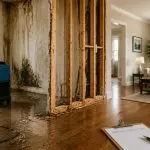
- Hidden Structural Damage – Water can seep into framing, subflooring, insulation, and other concealed areas long before visible signs appear.
- Rapid Mold Growth – Damp conditions create the ideal environment for mold, which can begin growing within a short period and spread throughout the home.
- Material Deterioration – Prolonged moisture gradually breaks down wood, drywall, insulation, and other building materials, reducing their strength and durability.
- Escalating Structural Problems – Even a leak that releases only a few drops each day can, over weeks or months, saturate a large area and lead to costly structural repairs.
Because water damage spreads gradually and often remains hidden, addressing even the smallest leak as soon as it is discovered can prevent extensive damage and significantly reduce repair costs.
Structural Damage Caused by Long Term Leaks
When a leak goes unaddressed, moisture gradually spreads into the home’s structural components. Over time, this can weaken essential building materials, compromise the property’s stability, and result in costly repairs.
| Type of Damage | How It Affects Your Home |
| Wood Rot | Prolonged moisture weakens framing, beams, joists, and subfloors, reducing the structural strength of the home. |
| Foundation Damage | Water pooling around or beneath the foundation can cause cracks, shifting, settling, and long-term structural instability. |
| Drywall Deterioration | Wet drywall becomes soft, stained, crumbly, and may eventually require complete replacement. |
| Ceiling Damage | Water-soaked ceilings can sag, stain, weaken, and in severe cases, collapse unexpectedly. |
| Flooring Damage | Hardwood, laminate, and other flooring materials may warp, buckle, swell, or lift as moisture spreads beneath the surface. |
| Insulation Damage | Saturated insulation loses its ability to regulate temperature and can become an ideal environment for mold growth. |
The longer a leak remains untreated, the more extensive the damage becomes. Addressing water leaks early helps protect your home’s structural integrity, prevents secondary issues such as mold growth, and avoids the significantly higher costs associated with major repairs or reconstruction.
Mold Growth Begins Quickly
One of the most overlooked consequences of a small leak is how fast mold takes advantage of it. Mold can begin growing within 24 to 48 hours of materials becoming damp, which means even a brief, unnoticed leak can start a colony. Because the moisture often hides inside walls and under floors, this growth frequently goes undetected until it has spread.
As colonies expand, they create real air quality concerns, releasing spores that can affect breathing and trigger allergies throughout the home. The longer the moisture remains, the worse the situation becomes, and that translates directly into increased remediation costs. What might have been a simple drying job turns into a project that involves removing and replacing contaminated materials.
Higher Utility Bills and Wasted Water
Beyond structural harm, a leak quietly drains your budget every single day. Continuous water loss adds up fast, and a steady drip can waste thousands of gallons over the course of a year. That waste shows up as energy inefficiency too, especially with hot water leaks that force your water heater to work harder than necessary.
All of this contributes to increased repair costs down the line, since the damage caused by the leak compounds while the meter keeps running. Homeowners are often shocked to discover that a rising water bill was the first and clearest warning sign of a hidden leak they never saw.
Warning Signs of Hidden Water Damage
Your home often shows subtle signs when water is causing damage behind the scenes. Watch for these common warning signs:
- Soft or Spongy Floors – Flooring that feels soft, bouncy, or uneven may indicate that moisture has reached the subfloor.
- Bubbling or Peeling Paint – Paint or wallpaper that bubbles, cracks, or peels can be a sign of excess moisture trapped behind walls.
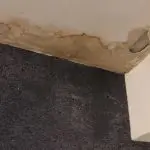
- Water Stains on Walls or Ceilings – Yellow, brown, or copper-colored stains often point to a current or previous water leak that requires further investigation.
- Musty Odors – A persistent damp or musty smell may indicate hidden mold growth caused by excess moisture.
- Warped or Damaged Cabinets – Cabinets, especially those beneath sinks, that swell, warp, or show signs of deterioration often reveal long-term water exposure.
- Unexpected Increase in Your Water Bill – A sudden spike in water usage without a change in household habits may signal a hidden plumbing leak.
Recognizing these warning signs early allows you to address leaks before they cause extensive structural damage, mold growth, and costly repairs.
Why Professional Water Damage Restoration Matters
Finding and fixing hidden water damage takes more than a mop and a fan. Professional water damage restoration begins with moisture mapping, which pinpoints exactly where water has traveled and which materials are affected. Thermal imaging cameras reveal cold, wet areas inside walls and ceilings without any demolition, so nothing is missed.
From there, industrial drying and structural drying equipment removes moisture from deep within building materials, not just the surface. This thorough approach supports effective mold prevention, addressing the dampness that fuels growth before it can take hold. Our guide on how to prevent mold after water damage explains why this step matters so much. At Ally1 Disaster Solutions, our certified technicians bring this equipment and expertise to every Southern Utah home, ensuring the problem is solved completely rather than temporarily covered up.
Preventing Small Leaks from Becoming Major Repairs
A little prevention goes a long way toward avoiding costly structural work. Schedule routine inspections of plumbing, appliances, and roofing so small issues are caught while they are still small. Monitor your water bills and treat any unexplained spike as a reason to investigate. Replace aging plumbing before it fails, since old pipes are far more likely to leak.
Seal roofs and keep them in good repair to block rainwater intrusion, and stay current on appliance maintenance, including checking supply lines and condensation drains. These simple habits dramatically reduce the chance that a minor leak ever grows into a major repair.
Frequently Asked Questions
How long can a slow leak go unnoticed?
A slow leak can go unnoticed for weeks, months, or even longer, especially when it occurs inside a wall, under a floor, or in a crawl space. By the time visible signs appear, the leak has often been active for a long time and has already caused hidden damage. This is why monitoring your water bill and watching for subtle clues is so valuable.
Can a small leak weaken a foundation?
Yes. When water repeatedly pools around or beneath a foundation, it can erode supporting soil and seep into concrete, leading to cracks, shifting, and settling over time. What begins as a minor leak can contribute to serious foundation problems if it continues unchecked.
Does homeowners insurance cover hidden leaks?
Coverage varies by policy. Many plans cover sudden and accidental water damage but exclude damage that results from long term, unaddressed leaks or lack of maintenance. Acting quickly and documenting the damage improves your chances of a successful claim, and our team can help you work with your insurer.
How can professionals detect hidden moisture?
Restoration professionals use tools such as moisture meters and thermal imaging cameras to find water that is invisible to the naked eye. These instruments reveal dampness inside walls, ceilings, and floors without unnecessary demolition, allowing for targeted and efficient repairs.
When should I call a restoration company?
You should call as soon as you notice any sign of water damage, including stains, soft floors, musty odors, peeling paint, or an unexplained rise in your water bill. The sooner restoration begins, the less damage occurs and the lower your overall repair costs will be.
Fix Small Leaks Before They Become Major Repairs
Small water leaks may seem harmless, but they can cause significant damage over time. Left untreated, even a minor leak can lead to wood rot, mold growth, foundation issues, and costly structural repairs. Because water continues to spread and weaken building materials, the longer a leak goes unnoticed, the more extensive and expensive the damage becomes.
If you notice signs of a hidden leak in your Cedar City or Southern Utah home, don’t wait for the problem to get worse. Ally1 Disaster Solutions is available 24/7 to locate the source of the leak, thoroughly dry the affected areas, and restore your property before minor water damage turns into a major restoration project. Call today for fast, professional assistance.