Mold problems rarely announce themselves loudly at first, yet they often grow quietly until the situation becomes urgent. In Partoun, Utah, changing weather patterns, older homes, and hidden moisture sources make mold growth a real concern for property owners. Many residents only realize there is a serious issue when health symptoms appear or visible damage becomes hard to ignore. Knowing the early warning signs can help you act before the situation escalates. When those signs point to a serious issue, emergency mold services partoun ut become essential for protecting both health and property. This guide explores the common indicators that mold has reached an emergency level and why timely action matters.
How do you know if mold growth has become an emergency?
emergency mold services partoun ut
Mold becomes an emergency when it spreads rapidly, affects indoor air quality, or causes noticeable health issues. Emergency mold services partoun ut are typically required when mold is no longer confined to a small, manageable area. If you notice strong musty odors throughout your home, recurring health symptoms among occupants, or visible mold spreading across multiple surfaces, the situation likely requires immediate professional intervention.
Emergency conditions often involve hidden moisture sources that continue feeding mold growth. Without prompt action, mold can penetrate walls, floors, and ventilation systems, increasing both health risks and remediation costs.
Why mold problems escalate quickly in Partoun homes
Partoun homes are exposed to environmental factors that can accelerate mold growth. Snowmelt, seasonal storms, and fluctuating temperatures create moisture that seeps into basements, crawl spaces, and wall cavities. Older plumbing systems or poorly ventilated areas further contribute to damp conditions.
Once mold establishes itself, it reproduces through microscopic spores that spread easily through the air. These spores settle in new areas, forming additional colonies. What begins as a small patch can quickly become a widespread problem if moisture is not addressed.
Early mold detection symptoms you should never ignore
Recognizing early mold detection symptoms can help prevent an emergency. These symptoms often appear before mold is visibly obvious, making them easy to dismiss at first.
Common signs include persistent coughing, sneezing, nasal congestion, and itchy eyes. Some people experience headaches, fatigue, or difficulty concentrating. If these symptoms improve when you leave the home and return when you come back, mold exposure may be the cause.
Over time, symptoms may worsen or affect multiple household members. This pattern is a strong indicator that mold growth is affecting indoor air quality and requires immediate attention.
Visible and hidden mold indicators inside your home
Mold does not always grow in plain sight. Understanding visible and hidden mold indicators helps identify problems early and avoid emergencies.
Obvious visual signs
Visible mold often appears as black, green, white, or gray patches on walls, ceilings, or around windows. Peeling paint, bubbling drywall, and discoloration are also common indicators of moisture-related mold growth.
Hidden warning signs
Hidden mold may be present behind walls, under flooring, or inside insulation. Musty odors, unexplained stains, and warped materials often signal concealed mold. Even without visible growth, these signs suggest a deeper issue that should not be ignored.
Urgent mold growth signs linked to moisture problems
Moisture is the driving force behind mold emergencies. Certain urgent mold growth signs point directly to ongoing water issues that fuel rapid expansion.
Leaks from pipes, appliances, or roofs create constant moisture sources. Condensation around windows, HVAC systems, or crawl spaces also contributes to mold growth. If moisture problems persist despite basic repairs, mold is likely spreading unseen.
Standing water or repeated dampness after storms significantly increases the likelihood of emergency-level mold contamination.
Health changes that signal a mold emergency
Health-related changes are often the clearest indicator that mold has reached a critical stage. Mold spores irritate the respiratory system and can trigger immune responses.
People with asthma or allergies may experience more frequent or severe flare-ups. Others may develop symptoms for the first time, including wheezing, chest tightness, or chronic sinus infections. Skin irritation and rashes can also occur after prolonged exposure.
When multiple occupants experience similar symptoms, the risk level increases. This pattern suggests widespread contamination rather than isolated mold growth.
Why musty odors should never be ignored
A persistent musty smell is one of the most reliable signs of mold growth. Even when mold is not visible, odors indicate active microbial activity within building materials.
Musty smells often originate from basements, bathrooms, or behind walls where moisture accumulates. If the odor intensifies during humid weather or after rainfall, mold growth is likely accelerating.
Ignoring odors allows mold colonies to grow larger and spread further, increasing the likelihood of an emergency situation.
Structural damage caused by untreated mold
Mold does not only affect health. It also damages the structural integrity of a building over time.
Mold feeds on organic materials such as wood, drywall, and insulation. Prolonged exposure weakens these materials, leading to sagging ceilings, soft flooring, and compromised framing. Structural damage often goes unnoticed until repairs become extensive and costly.
When mold affects load-bearing components or large sections of a home, emergency remediation is required to prevent further deterioration.
The connection between HVAC systems and mold emergencies
HVAC systems can unintentionally distribute mold spores throughout a home. When mold grows inside ducts or around cooling coils, spores circulate every time the system runs.
This widespread distribution worsens air quality and accelerates contamination. Dust buildup combined with moisture inside ducts creates an ideal environment for mold growth.
If you notice moldy odors coming from vents or experience symptoms that worsen when the HVAC system is running, immediate inspection is necessary.
When DIY solutions are no longer safe
Many homeowners attempt to clean mold themselves using household products. While this may work for small surface spots, it is unsafe in advanced cases.
Scrubbing mold releases spores into the air, increasing exposure. Household cleaners do not address mold embedded within materials. Without proper containment, DIY efforts often spread contamination rather than eliminate it.
Emergency situations require professional tools, protective equipment, and containment strategies to ensure safe and thorough removal.
How professionals determine the severity of mold growth
Professional assessment is a critical step in identifying emergency mold conditions. Specialists use visual inspections, moisture meters, and air sampling to understand the extent of contamination.
These methods reveal hidden mold and ongoing moisture sources. Accurate assessment ensures that remediation addresses the root cause rather than surface symptoms.
Understanding severity helps determine whether partial removal or full remediation is necessary to restore a safe environment.
Warning signs after water damage or flooding
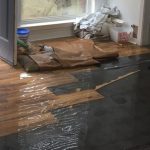
Water damage significantly increases the risk of mold emergencies. Even if surfaces appear dry, moisture can remain trapped inside walls and floors.
After flooding or leaks, watch for odors, discoloration, and changes in indoor air quality. Mold can begin growing within 24 to 48 hours after water exposure.
Delaying inspection after water damage often leads to emergency-level mold growth that is harder to control.
Behavioral signs that point to indoor air quality issues
Behavioral changes among occupants can also signal mold problems. Poor sleep quality, irritability, and difficulty concentrating are commonly reported in mold-affected environments.
Pets may show signs as well, including lethargy, coughing, or avoidance of certain areas of the home. These changes often resolve once mold is properly removed.
Paying attention to these subtle indicators can prevent long-term exposure and health complications.
When to seek professional help immediately
If you notice rapid mold spread, worsening health symptoms, or persistent odors, professional help should not be delayed. Emergency situations require swift action to prevent further damage.
Connecting with experts through our contact us page allows you to discuss symptoms, schedule an assessment, and take steps toward remediation before conditions worsen.
How early intervention reduces long-term damage
Early intervention limits the spread of mold and reduces repair costs. Addressing moisture sources promptly prevents mold from penetrating deeper into building materials.
Professional remediation restores indoor air quality and reduces health risks. Many homeowners notice improvements in comfort and well-being shortly after treatment.
Taking action at the first signs of trouble prevents emergencies from developing.
Common emergency mold indicators and what they mean
| Sign | What It Indicates |
| Strong musty odor | Active mold growth |
| Spreading discoloration | Moisture-fed expansion |
| Recurring health symptoms | Poor indoor air quality |
| Post-flood moisture | High mold risk |
| Mold in HVAC vents | Widespread contamination |
Frequently Asked Questions
How fast can mold become an emergency?
Mold can reach emergency levels within days if moisture is present and ventilation is poor.
Is visible mold always dangerous?
Not all visible mold is immediately dangerous, but widespread or fast-growing mold increases health risks.
Can mold grow without water leaks?
Yes. High humidity and condensation alone can support mold growth.
Should I leave my home during mold remediation?
This depends on severity. Professionals will advise if temporary relocation is necessary.
Do mold symptoms disappear after removal?
Many symptoms improve once exposure ends, especially with early intervention.
Conclusion
Recognizing the warning signs of mold early can make the difference between a manageable issue and a full-scale emergency. From health symptoms and odors to structural damage and moisture problems, each indicator provides valuable insight. When those signs point to a serious problem, emergency mold services partoun ut are critical for restoring safety and comfort. Ally1ds is dedicated to helping Partoun residents identify mold issues quickly, respond effectively, and protect their homes and health through professional emergency mold removal.